Gastric balloon or GLP-1 therapy? Differences and how to choose
A gastric balloon occupies space in the stomach and supports fullness with smaller portions; GLP-1 analogues are medicines that act on appetite and satiety pathways. Which one suits you is decided in consultation, based on your health, suitability for medication and goals.
How do the two approaches work?
A gastric balloon creates fullness by occupying stomach space and is removed or passes naturally after a set period. GLP-1 analogues reduce appetite, increase satiety and slow stomach emptying; their effect lasts as long as they are taken. Neither replaces a nutrition and activity programme; both support it.

Who may suit which option?
A balloon may be preferred by people who do not want or cannot take medication, for example those with a personal or family history of medullary thyroid cancer. Previous stomach surgery, a large hiatal hernia or some stomach conditions can rule out a balloon, in which case medication may be discussed. Conditions such as type 2 diabetes also affect the choice.
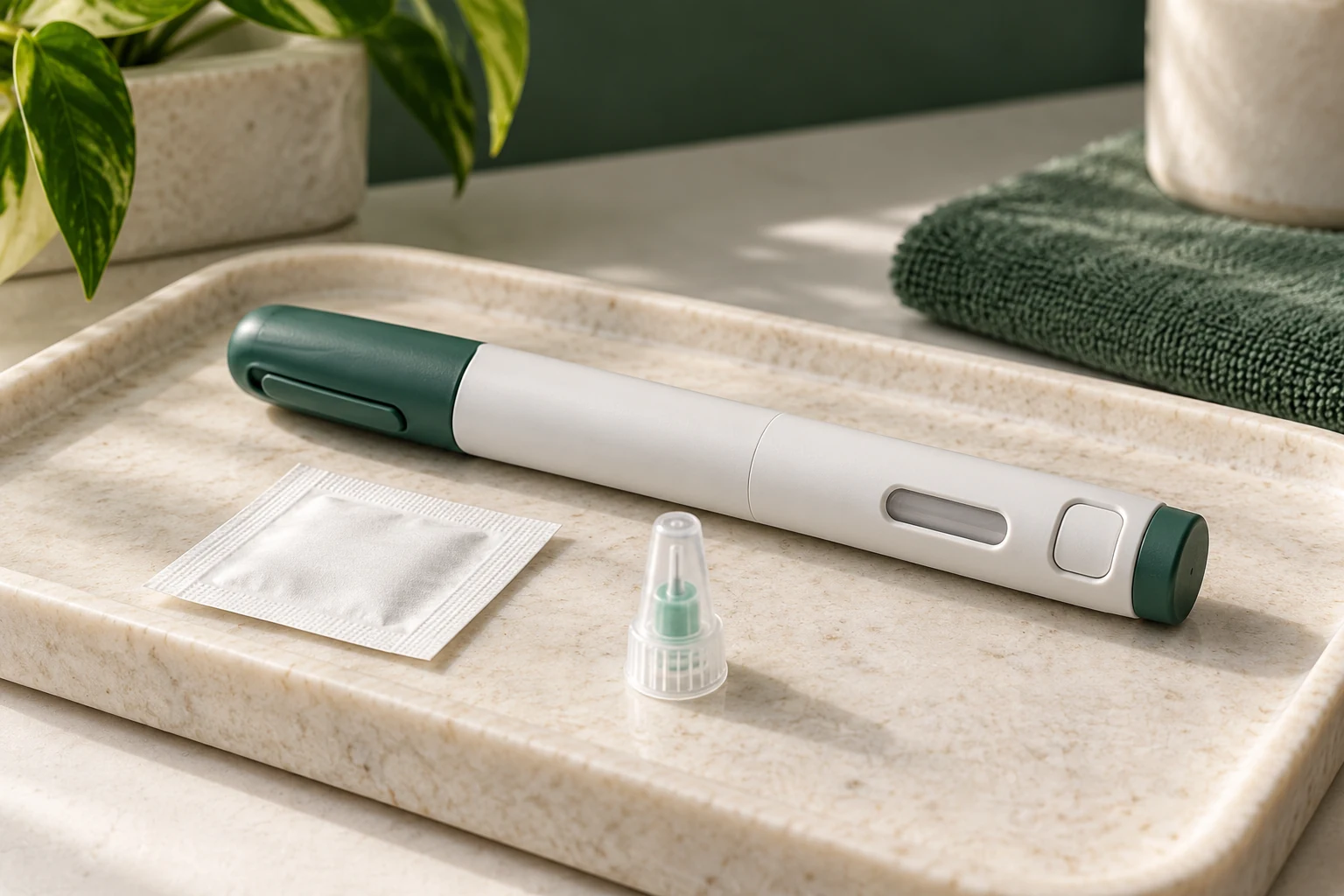
Duration and continuity
A balloon stays in the stomach for a limited time, which is best used as a start for new eating habits. Medication usually continues for months; because appetite may return when it stops, stopping should be planned and gradual.

Side effects differ
Nausea, vomiting and cramps are common in the first days after a balloon and usually ease within days. With GLP-1 medicines, nausea, diarrhoea or constipation may be noticeable during dose increases. With either, inability to keep fluids down, persistent vomiting or severe abdominal pain need urgent assessment.

Can they be combined or used in sequence?
In selected patients, medication may be planned after the balloon period to support weight maintenance. This is a physician's decision based on health, tests and goals. Medication without prescription or follow-up is not recommended.
Frequently asked questions
Which one leads to more weight loss?
Results vary between individuals and a single figure would be misleading. Starting weight, treatment duration and adherence to nutrition and activity are the main factors.
Is there a risk of muscle loss?
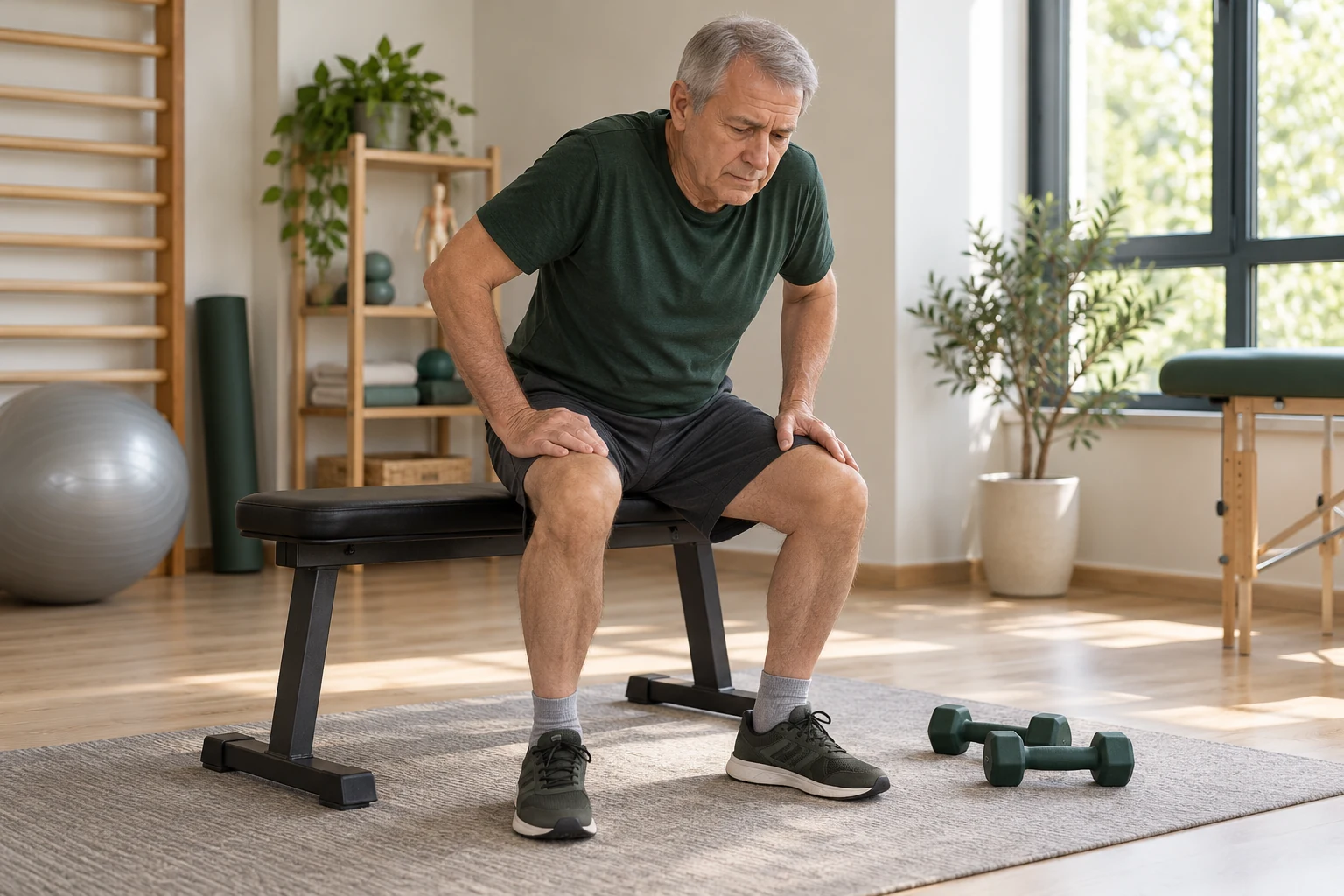
Rapid weight loss with either approach can reduce muscle. Adequate protein and resistance exercise a few days a week help preserve muscle mass.
Which one is safer?
Their risks differ and safety depends on the individual. Medical history, medications and test results are reviewed in consultation to choose the suitable option.
Further reading
NIDDK · Prescription medications for weight managementSTEP 1 — Semaglutide body-composition exploratory analysisSURMOUNT-1 — Tirzepatide body-composition substudyNIDDK — Eating and physical activity for weight managementGeneral patient information. Individual treatment is planned in consultation.