

Content responsibility: Op. Dr. Salim Balin · Updated: 2026-10-17
What are GLP-1 analogues?
GLP-1 receptor agonists mimic a hormone involved in appetite and satiety. Liraglutide and semaglutide belong to this class. Tirzepatide is a dual GIP/GLP-1 receptor agonist. Indications, doses and administration differ between products.
Who may be assessed?
BMI, weight-related conditions, previous attempts and nutrition are considered together. Selection is not based solely on desired weight loss. Current Turkish authorisation and product information apply; this page is not a prescription or dosing guide.

When may it be unsuitable?
These medicines are not used during pregnancy. Pregnancy plans, breastfeeding, pancreatitis history, gallbladder problems and severe gastric emptying disorders require review. Certain products are contraindicated with personal or family medullary thyroid cancer or MEN2. All medicines and conditions must be disclosed.
Benefits and possible adverse effects
These medicines may support weight loss alongside nutrition and activity. Response and tolerability vary with the person, medicine and treatment plan.
- Nausea, vomiting, diarrhoea or constipation may occur. Discuss symptoms during follow-up.
- Seek prompt medical assessment for persistent severe abdominal pain, inability to drink or allergic symptoms.
- Hypoglycaemia risk needs particular review with insulin or some diabetes medicines. Do not change doses yourself.
Nutrition during treatment
Reduced appetite does not make nutrition less important. The aim is healthy weight management through adequate, balanced eating.
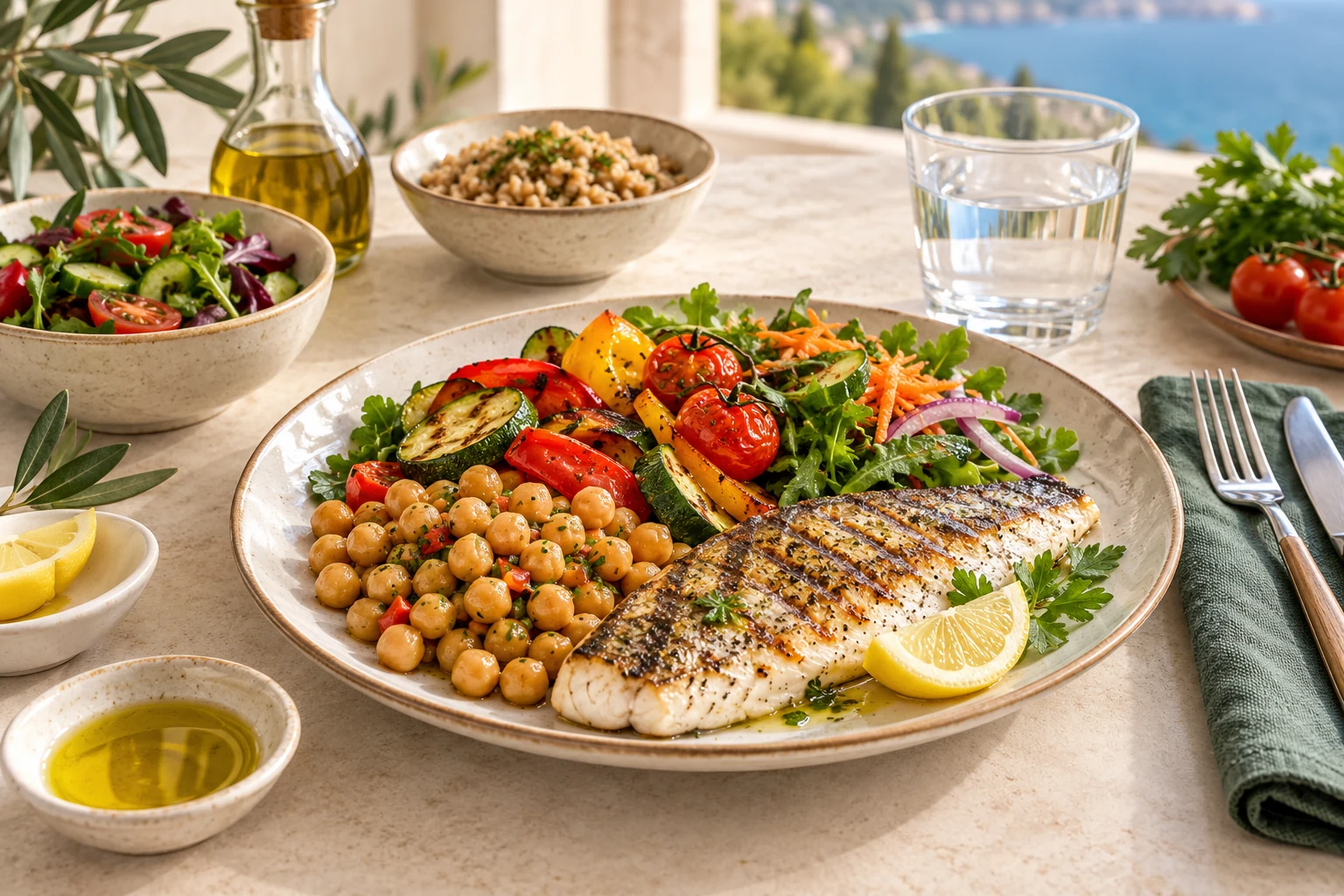
- Include appropriate protein sources such as fish, eggs, pulses and other suitable options.
- Support dietary variety with vegetables, whole grains and an appropriate fluid intake.
- With kidney disease, diabetes or another condition, agree dietary amounts with your clinician and dietitian.
Lean tissue loss and preserving muscle strength
Weight reduction can involve loss of lean tissue as well as fat. Lean mass is not solely muscle, so a measured reduction does not by itself establish muscle wasting or sarcopenia.
Inadequate nutrition, insufficient protein and inactivity can make preserving muscle strength more difficult. Monitoring is particularly important in older adults, people with existing weakness or rapid weight loss. This should not be presented as an inevitable medication complication.
- Follow-up should assess nutritional adequacy, strength and daily function, not weight alone.
- Alongside walking, appropriate resistance exercise forms part of a muscle-strength preservation plan.
- Report new or worsening weakness, difficulty climbing stairs or reduced daily function.
Plan walking alongside resistance exercise
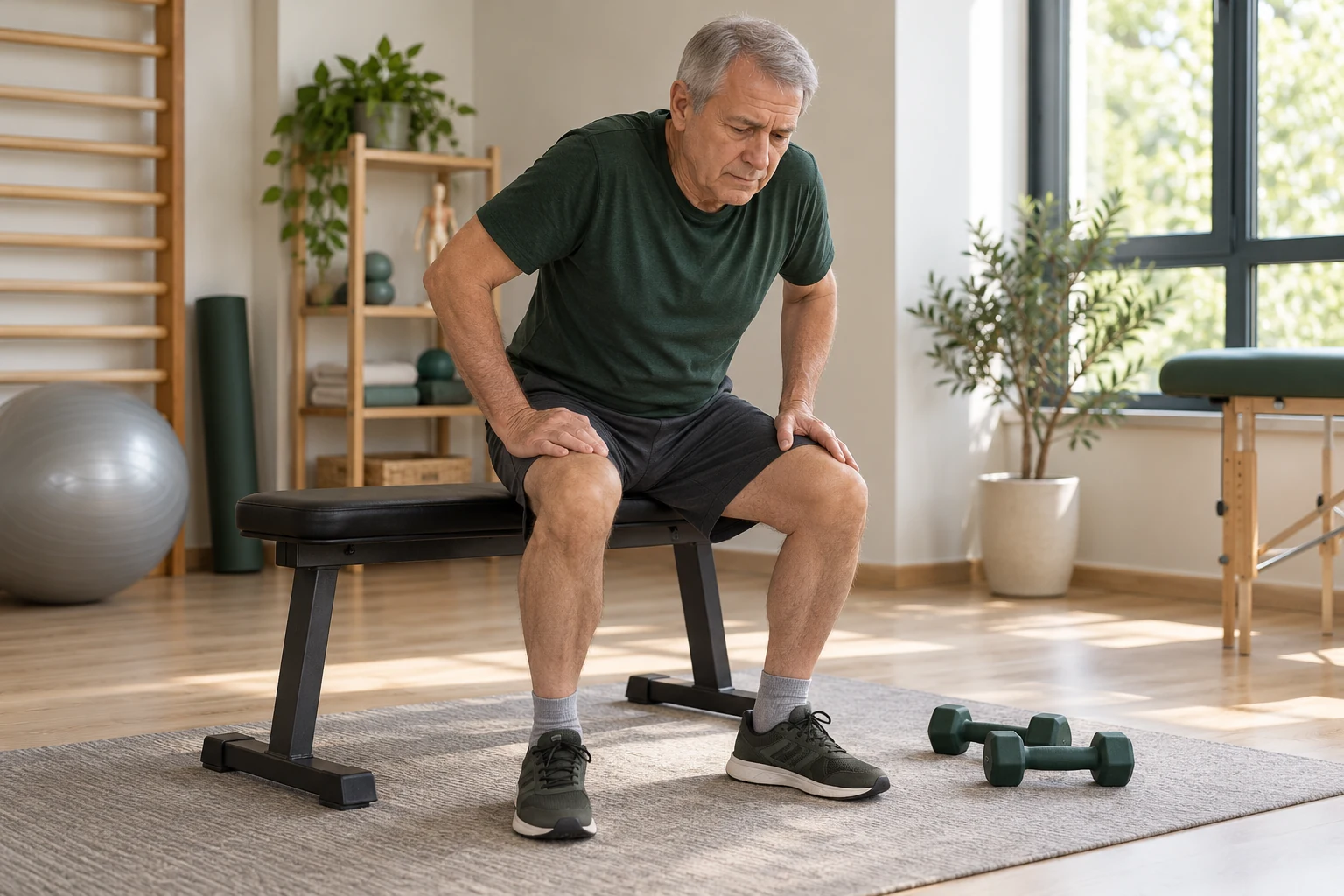
Regular walking helps increase daily movement. Preserving strength may also require muscle-strengthening activities adapted to individual capacity.
- Increase activity gradually from your starting capacity.
- For suitable adults, muscle strengthening on at least two days a week forms part of general activity guidance. Adapt the programme individually.
- With joint, heart or other health problems, agree exercise type and intensity with your clinician.

Results and longer-term planning
Weight change varies with medicine, dose, duration and person; a single percentage cannot apply to all products. Nutrition, exercise and follow-up should support muscle preservation. Weight regain can occur after stopping; continuation or withdrawal is a medical decision.
Frequently asked questions
Are all weight-loss injections the same?
No. Ingredients, indications, doses and effects differ.
Can I increase the dose myself?
No. Dose adjustment requires assessment of tolerance and risk.
What happens after stopping?
Appetite and weight may increase. Plan maintenance and follow-up in advance.
GLP-1 weight management programme cost in Istanbul, Turkey (2026): what determines the price?
Pricing for GLP-1 weight management programme in Istanbul depends on the scope of the programme, the number of follow-up visits and the findings at examination, so a fixed price is not published on this site. Up-to-date 2026 pricing is provided after your consultation; for preliminary information you can contact us by phone or WhatsApp.
Let’s discuss the option suited to you.
WhatsAppChat on WhatsAppSources and further reading
NIDDK · Prescription medications for weight management ↗STEP 1 — Semaglutide body-composition exploratory analysis ↗SURMOUNT-1 — Tirzepatide body-composition substudy ↗NIDDK — Eating and physical activity for weight management ↗Updated: 17 October 2026 · General patient information. Individual treatment is planned in consultation.
Images are illustrative scenes; they do not identify a licensed product, real patient or treatment outcome.