


Content responsibility: Op. Dr. Salim Balin · Updated: 2026-10-16
How does a swallowable balloon work?
The deflated balloon is swallowed in a capsule and filled after reaching the stomach.
- The capsule is swallowed.
- Imaging confirms its stomach position.
- It is filled through a thin catheter, which is then removed.
- Routine placement requires neither anaesthesia nor endoscopy.
Who should not have a swallowable balloon?
Medical history and medicines are reviewed in detail before placement.
- Pregnancy and breastfeedingBalloon treatment is not performed during these periods.
- Active ulcer or bleedingIt is not performed with active gastric/duodenal ulcers or gastrointestinal bleeding.
- Previous gastric or oesophageal surgeryPeople with previous surgery in these areas are not considered suitable for this treatment pathway.
- Large hiatus herniaIt is not performed with a large hiatus hernia.
- Recent heart attackTreatment is not planned after a recent heart attack or with clinically unstable heart disease.
- Anticoagulants such as warfarinThis treatment pathway is not recommended while taking anticoagulants. Never stop prescribed medicine independently.
- Swallowing difficulty and obstruction riskSignificant swallowing problems, obstruction risk and other digestive diseases require assessment.
All exclusions are checked against current device instructions. Never stop an anticoagulant yourself.

Placement and the sixteen-week period
The swallowable balloon is designed to remain in the stomach for about sixteen weeks.
- PreparationThe clinic explains fasting, medicines and the review plan.
- Time in the stomachThe space occupied supports fullness with smaller portions.
- Natural passageIt is intended to empty and pass through the bowel. Uncomplicated passage is not guaranteed in every patient.
Intolerance or complications can require endoscopy, anaesthesia or surgery.

How much weight might be lost?
Targets and follow-up duration are planned according to starting weight.
- An individual 10–25% target rangeThis may be discussed according to starting weight, follow-up duration and the lifestyle programme. It is not the expected four-month average for one balloon or a promised result for everyone.
- Published average: approximately 10–15%Manufacturer data report this average total body-weight loss at about sixteen weeks.
- What affects the outcomeStarting weight, device, eating habits, activity, health conditions and follow-up all contribute.
10–25% is a broad individual planning target, not the typical sixteen-week result of one balloon or a promised outcome.
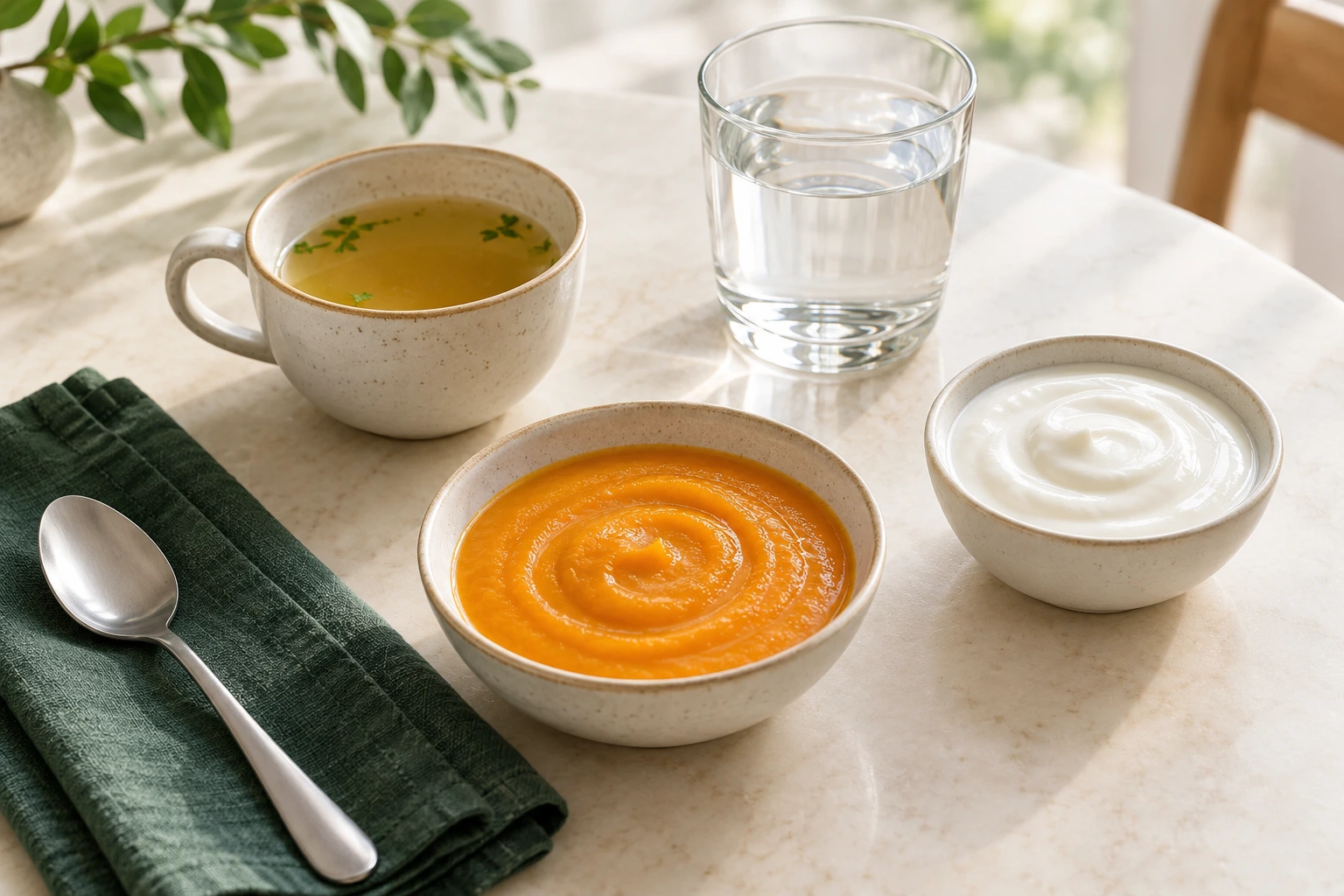
The first week and food progression
Progression from fluids to purée, soft food and solids is adapted to tolerance.
- 1. Liquid stageStart with small, frequent sips. Preventing dehydration and meeting clinician-set protein needs are priorities.
- 2. Progressing to puréePurée begins during or after the first week according to tolerance and clinic protocol. Some protocols retain liquids only throughout the first week.
- 3. Soft food, then solidsTexture increases gradually. Do not skip stages or force solid food while vomiting or in pain.
- 4. Personalised nutritionThe clinician and dietitian adapt the plan to diabetes, kidney disease, reflux, medicines and daily routines.
If you cannot keep fluids down or keep vomiting, do not try to progress to solids: contact your clinician immediately.
Connected scale, mobile app and regular follow-up
Treatment combines the device with nutrition and follow-up support.
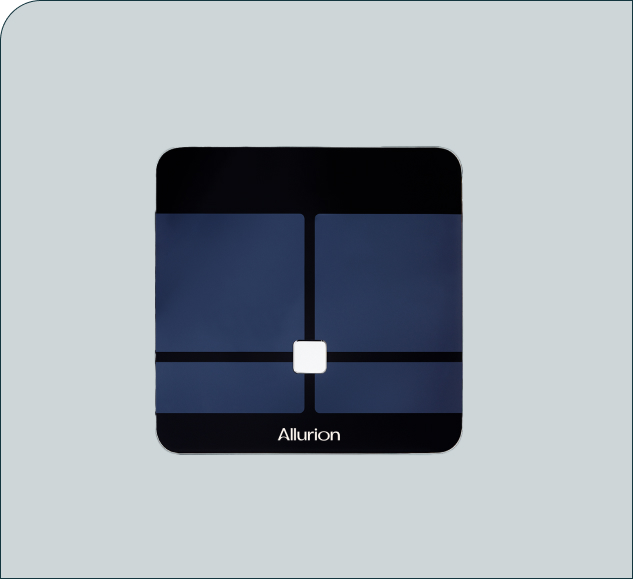
- Digital monitoringA connected scale and app help track weight trends and daily habits. Data are reviewed clinically; digital monitoring does not replace medical consultation.
- Symptom monitoringNausea, vomiting, fluid intake and food tolerance are monitored.
- Health beyond the scaleWeight trends, nutritional adequacy, muscle preservation and appropriate activity are considered together.
- Continuing afterwardsThe maintenance plan continues with regular reviews after the balloon passes.
When should I contact the clinician?
Monitor early symptoms and do not dismiss worsening symptoms as normal.
- If symptoms do not ease in the first 3–5 daysReport nausea, vomiting and cramps to the treating clinician and remain in contact with the team.
- Do not wait with these symptomsSeek immediate medical help for inability to keep fluids down, repeated vomiting, markedly reduced urine, dizziness or severe/worsening abdominal pain.
- Signs of bleedingBloody vomit or black stools require urgent assessment.
- Support after medical assessmentMedicine adjustment, intravenous fluids in a healthcare setting or early removal may be considered.
Severe abdominal pain, inability to keep fluids down or signs of bleeding require urgent assessment.
Lifestyle and weight maintenance afterwards
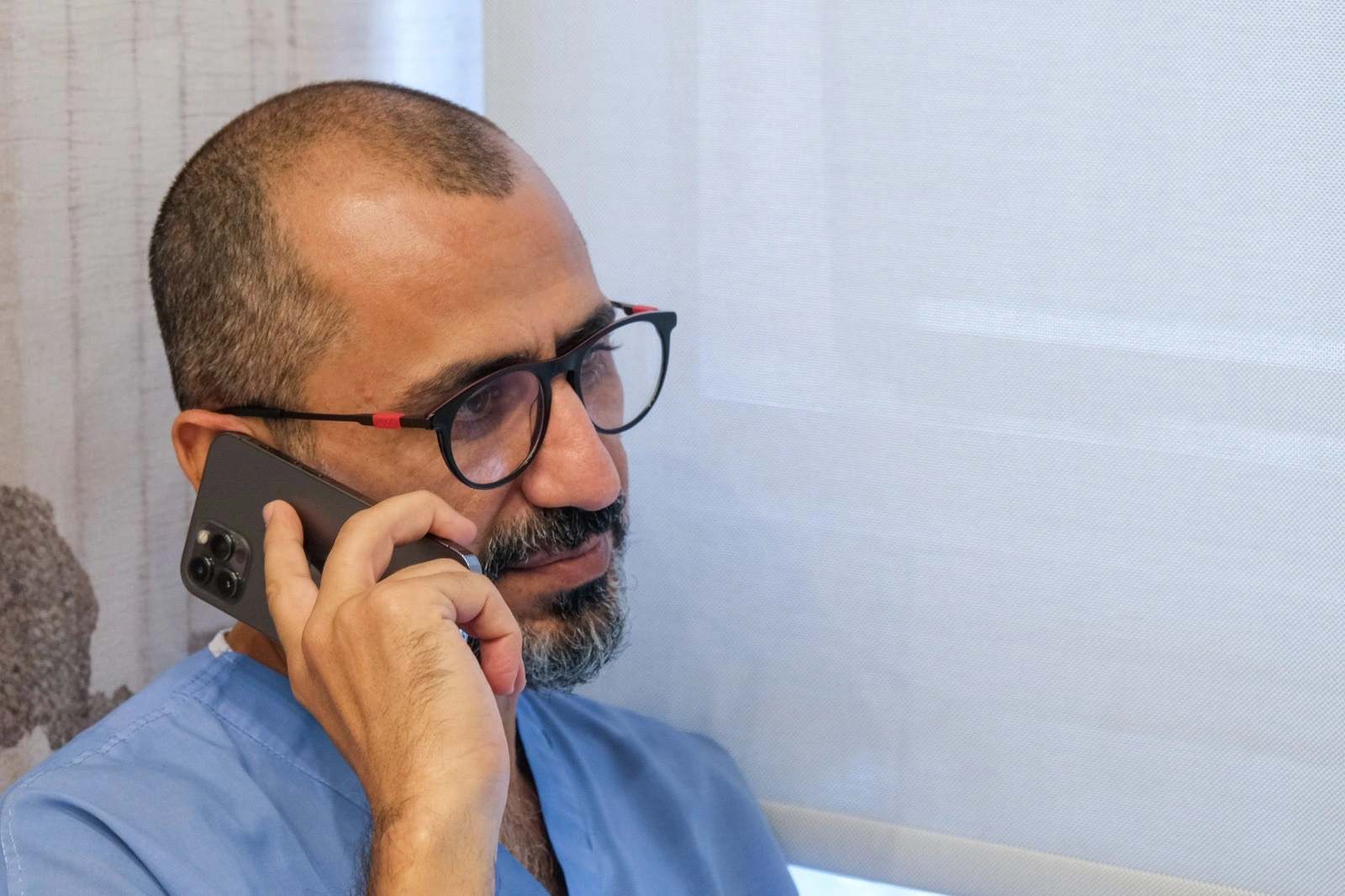
Maintaining the habits learned during treatment helps support weight maintenance afterwards.
- Small portions and slow eatingChew thoroughly and stop when comfortably full.
- Plan meal timesAfter initial liquid/purée adaptation, selected patients may consider two main meals and finishing dinner around 17:00–18:00. This schedule does not apply to everyone.
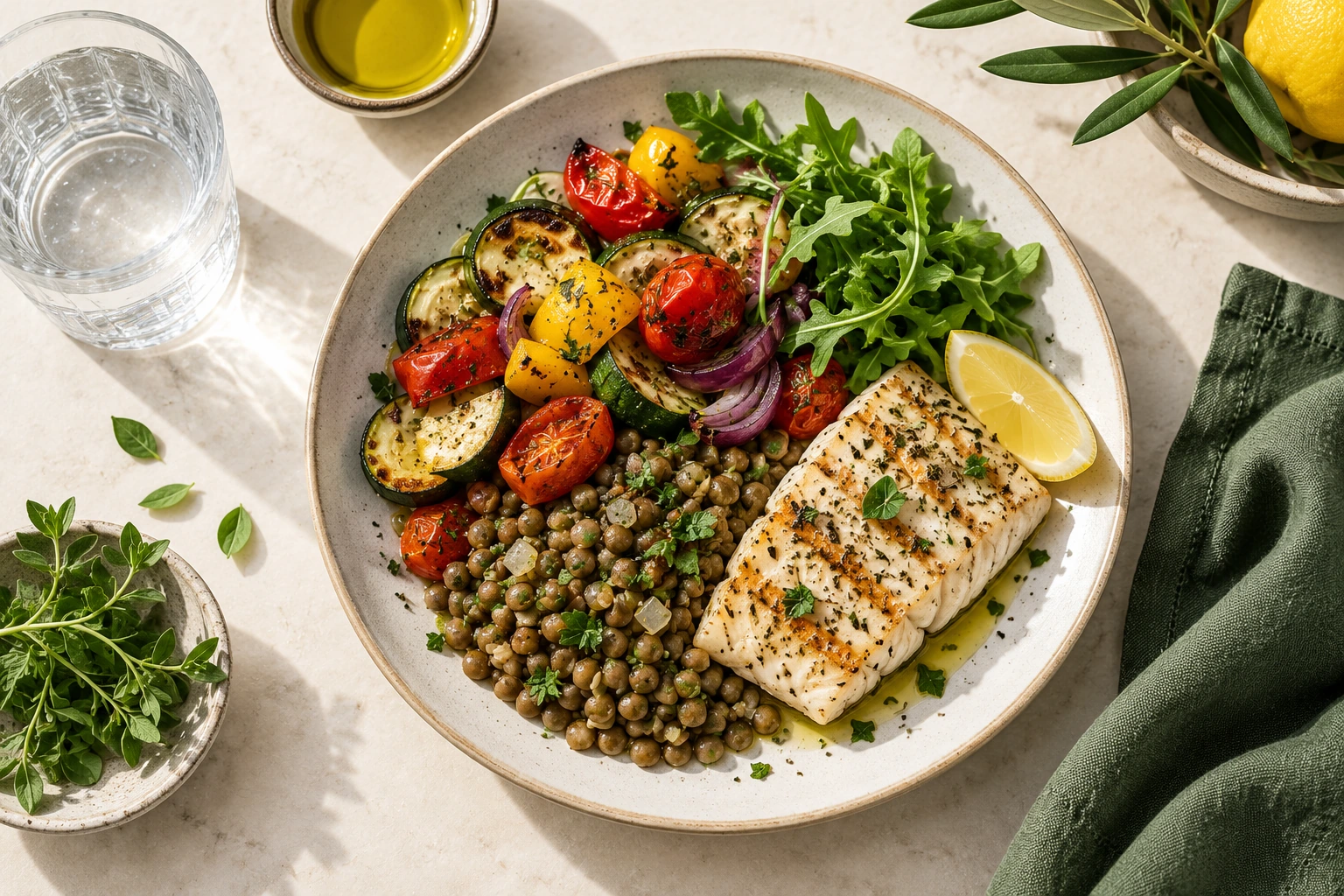
- Use a balanced Mediterranean-style patternInclude vegetables, pulses, fish and olive oil; personalise protein intake for your health.
- Reduce highly processed foodsReduce ultra-processed packaged foods, refined sugar, refined-flour foods, sweets and pastries.
- Maintain regular activityBuild suitable walking and muscle-preserving activity into everyday life.
- Continue follow-up afterwardsWeight can return if previous habits resume. Maintaining new habits and medical/dietetic follow-up supports weight maintenance.
Frequently asked questions
What if I cannot swallow the capsule?
Do not force it. The team reassesses suitability and alternatives.
Will it always pass naturally?
Natural passage is intended, but complications or intolerance may require intervention.
Is follow-up still needed?
Yes. Early reviews assess food texture, fluids and symptoms; later follow-up addresses weight, muscle preservation and lifestyle habits. A clinician and dietitian adapt the plan for associated conditions, and follow-up continues after the balloon passes.
Can I return to work immediately?
Early nausea and cramps can affect recovery; return is planned individually.
What if nausea and vomiting do not settle within 3–5 days?
Report nausea, vomiting and cramps that do not ease within the first 3–5 days. Do not wait with inability to keep fluids down, persistent vomiting, severe pain or bleeding: seek immediate medical help.
How should I eat after placement?
Start with fluids, then progress to purée, soft food and solids according to tolerance and clinic protocol. First-week timing varies. Your clinician and dietitian set the plan; do not skip stages.
How can I maintain weight after the balloon passes?
Weight can return if previous habits resume. Maintaining small portions, thorough chewing, suitable regular meals, balanced Mediterranean-style eating and activity supports weight maintenance. Follow-up should continue afterwards.
Is placement painful?
Routine placement does not require anaesthesia or endoscopy. Swallowing may be uncomfortable; nausea, cramps and fullness can occur initially. Contact your clinician for severe or worsening symptoms.
Can it be combined with GLP-1 medicines?
A clinician decides after reviewing health conditions, medicines, food tolerance and goals. Do not start or adjust medicines independently.
What is a sequential balloon programme?
This extended approach may involve a second balloon after reassessment following the first. It is not necessary or suitable for everyone.
Swallowable gastric balloon cost in Istanbul, Turkey (2026): what determines the price?
Pricing for swallowable gastric balloon in Istanbul depends on the scope of the programme, the number of follow-up visits and the findings at examination, so a fixed price is not published on this site. Up-to-date 2026 pricing is provided after your consultation; for preliminary information you can contact us by phone or WhatsApp.
Let’s discuss the option suited to you.
WhatsAppChat on WhatsAppSources and further reading
NHS · Mide balonu ve riskler ↗NHS · Eating after a gastric balloon ↗Mayo Clinic · Mide balonu ve takip ↗Updated: 16 October 2026 · General patient information. Individual treatment is planned in consultation.