
Content responsibility: Op. Dr. Salim Balin · Updated: 2026-10-19
Short answer
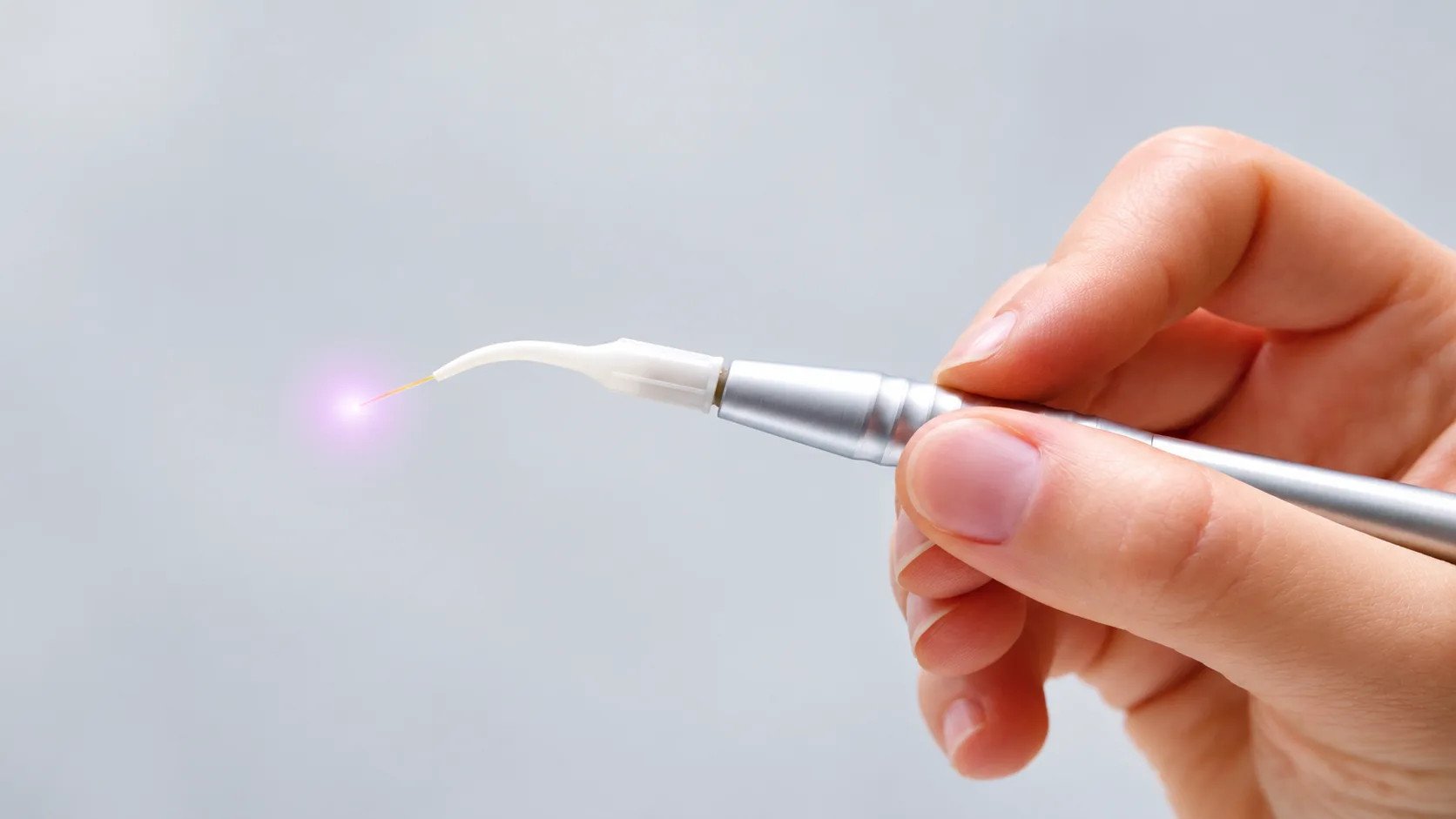
Laser removes HPV wart tissue by vaporising it with controlled heat; because it seals small vessels at the same time, bleeding is usually minimal. It can be used for warts on the hands, soles, face, external genitals, around the anus and inside the anal canal.
Laser removes visible warts but does not clear the virus from the body. New warts can therefore appear, especially in the first 3 months; they are assessed at follow-up and treated again if needed.
HPV and warts: why do they form?
Warts are benign, raised growths caused by human papillomavirus (HPV) in the skin and mucosa.
The virus spreads more easily through close skin contact and moist or damaged skin; a wart may take months to appear. About 90% of genital and anal warts are caused by HPV types 6 and 11, which carry a low cancer risk. Some warts regress on their own, but this can take months or years.
Which warts are treated?
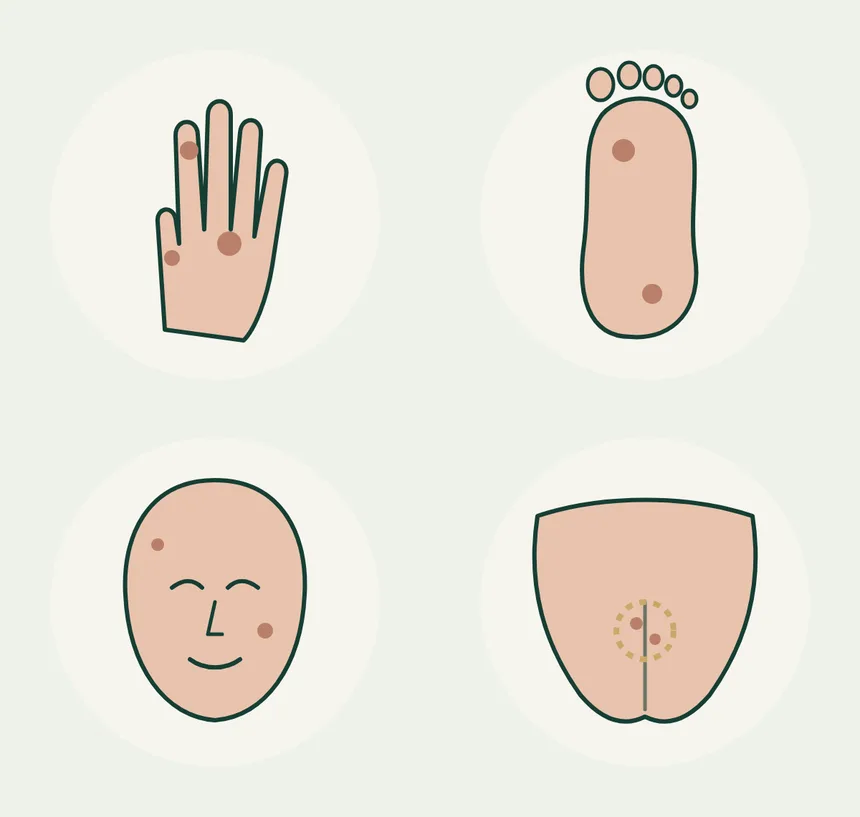
- Hand and finger warts
- Plantar warts
- Facial and neck warts
- External genital warts
- Perianal warts and warts inside the anal canal
The anal canal is checked separately during the general surgical examination. Warts inside the vagina or on the cervix are referred to a gynaecologist.
Laser treatment step by step
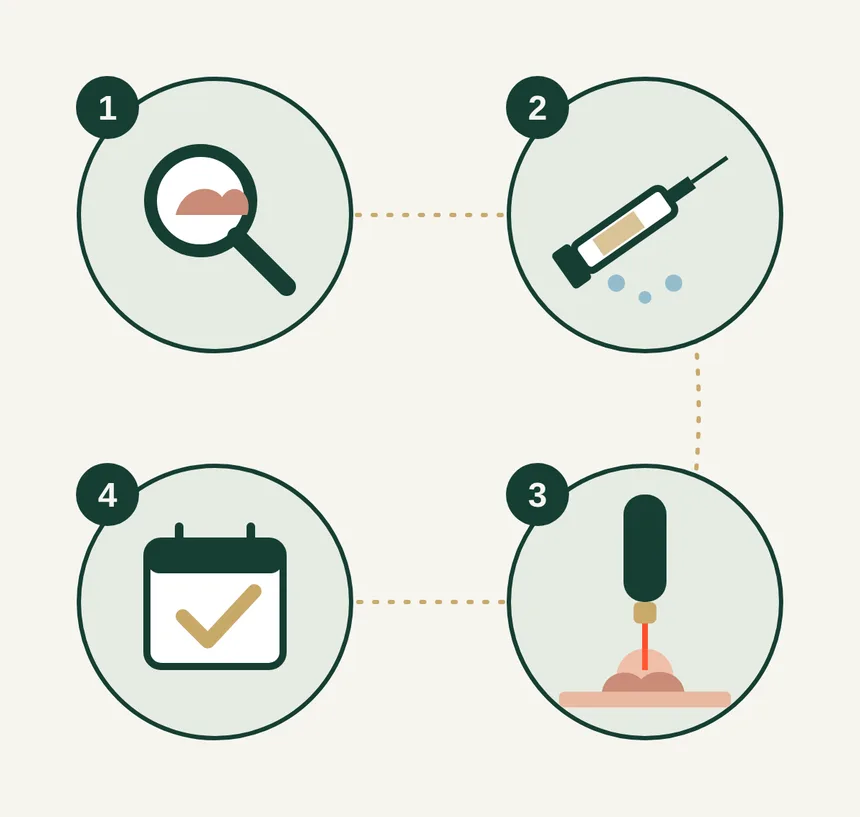
- Examination: Location, number and size of warts and previous treatments are assessed. Atypical lesions are sent for pathology first.
- Local anaesthesia: The area is numbed with cream or a fine needle.
- Laser: Wart tissue is vaporised while protecting healthy skin. A smoke evacuator and suitable masks are used. When needed, laser is combined with cautery and a sample is sent for pathology.
- Follow-up: Healing and any new warts are checked after about 2–4 weeks.
Immune support for HPV: IV vitamin C, glutathione and ozone
For suitable patients, a course aimed at supporting and balancing the immune system can be added to laser treatment.
- IV (intravenous) supportive therapies: such as high-dose vitamin C and glutathione
- Ozone therapy: when needed, ozone therapy to support and balance immunity
Laboratory studies have shown that ozone is effective against viruses, bacteria and fungi, and research has described immunomodulatory effects of medical ozone therapy. Observational studies have linked adequate vitamin C and other micronutrient levels with less persistent HPV infection.
The content and length of the course are decided at examination according to general health, how widespread the warts are and any history of recurrence. However, there is no clinical evidence that these therapies treat warts on their own or clear HPV from the body; they do not replace laser and are planned as supportive care. Some may not be suitable in kidney failure, a history of kidney stones, G6PD deficiency or pregnancy.
Who is it suitable for?
Laser is considered for warts that have not responded to creams or freezing, are numerous or widespread, or when a faster result is wanted.
When treatment may be postponed or another method chosen:
- Lesions that look atypical, change colour or shape, or bleed
- Active infection or an open wound in the area
- Conditions that delay healing, such as uncontrolled diabetes or immunosuppressive treatment
- Pregnancy (the method is chosen with an obstetrician)
For genital and anal warts, informing partners is recommended. The HPV vaccine does not treat existing warts but helps protect against HPV types not yet encountered.
Laser and other methods
| Method | Sessions | When it is preferred |
|---|---|---|
| Laser | Usually one | Widespread, stubborn or treatment-resistant warts |
| Freezing (cryotherapy) | Usually several | Small and few warts |
| Surgical removal / cautery | One | Stalked warts, when pathology is needed |
| Prescription creams | Weeks to months | Small external genital warts |
There is no strong evidence that one method is best for everyone. Studies report that CO2 laser is effective at clearing warts, but these findings rest on few, low-quality studies.
Recovery and risks
For small warts the wound usually closes in 1–2 weeks; most people return to daily activities the same or next day.
- Keep the area clean and dry, use the recommended ointment and do not pick scabs.
- Avoid pools and saunas while healing; after genital treatment, avoid sexual contact until healed.
Possible side effects: temporary pain and burning, redness, swelling, infection, colour change and, rarely, scarring. Seek advice for fever, increasing redness or discharge.
Frequently asked questions
Does laser wart treatment hurt?
Because local anaesthesia is used, there is usually no pain during the procedure; the anaesthetic injection may sting briefly.
Can warts come back after laser?
Yes. Laser does not clear the virus from the body; new warts are most common in the first 3 months and are assessed at follow-up.
Can genital and anal warts be treated with laser?
Yes. External genital, perianal and intra-anal warts are assessed and treated at the general surgical examination; warts inside the vagina or on the cervix are referred to a gynaecologist.
Is immune support given alongside laser?
For suitable patients, IV supportive therapies such as high-dose vitamin C and glutathione and, when needed, ozone therapy can be planned alongside laser. These are supportive; they do not treat warts on their own or replace laser.
How many sessions are needed?
Usually one session is enough; further treatment is planned for widespread warts or if new warts appear at follow-up.
Does the HPV vaccine treat warts?
No. The vaccine does not treat existing warts; it helps protect against HPV types not yet encountered.
HPV (wart) laser treatment cost in Istanbul, Turkey (2026): what determines the price?
Pricing for HPV (wart) laser treatment in Istanbul depends on the location and number of warts, the area involved and the findings at examination, so a fixed price is not published on this site. Up-to-date 2026 pricing is provided after your consultation; for preliminary information you can contact us by phone or WhatsApp.
Let’s discuss the option suited to you.
WhatsAppChat on WhatsAppSources and further reading
Frontiers in Microbiology (2022) · Mechanisms of action of ozone therapy: immunomodulatory and antiviral effects ↗Frontiers in Nutrition (2025) · Nutrition and HPV-associated inflammation, systematic review and meta-analysis ↗CDC · Anogenital warts, STI treatment guidelines ↗Dermatology and Therapy (2019) · Local management of anogenital warts, meta-analysis ↗BMJ Open · Topical and ablative therapies for anogenital warts, network meta-analysis ↗InformedHealth.org (IQWiG) · Genital warts treatment options (2025) ↗Updated: 19 October 2026 · General patient information. Individual treatment is planned at consultation.