

Content responsibility: Op. Dr. Salim Balin · Updated: 2026-10-16
What is mesotherapy?
Mesotherapy is a method rather than a single product or procedure. Suitable ingredients are delivered in small amounts to selected skin layers using fine needles.
- Individual product selectionProducts may contain vitamins, minerals, amino acids or hyaluronic acid. Not every product is injectable; composition and intended use must be known.
- Targeted regional deliveryThe aim is local delivery. Product, technique and individual characteristics all influence the outcome.
Some skin boosters use mesotherapy techniques. PRP names a blood-derived preparation; it can be injected intradermally but is not synonymous with mesotherapy.
Applications associated with mesotherapy
Procedures marketed under different names may use similar injection techniques. Their contents and treatment plans differ.
- Skin boostersSelected hyaluronic-acid, vitamin or amino-acid products are considered for hydration and skin-quality goals. “Skin booster” is not a single standard formulation.
- PRPPlatelet-rich plasma prepared from the person’s blood may be injected into skin or scalp in suitable patients.
- Scalp mesotherapyScalp products may be considered after diagnosing hair loss. They do not automatically replace established treatments.
- Pigmentation and acne scarsOptions may address skin tone or scar appearance; evidence and outcomes vary by product and method.
- Local contouring and celluliteSelected injections are considered for these goals. Not every mixture is suitable, and this is not a weight-loss treatment.
- Medical mesotherapyIt may be considered for selected musculoskeletal pain, tendinitis or sports injuries within diagnosis-based standard care.
A brief history
French physician Dr Michel Pistor played a central role in developing mesotherapy.
- 1952Pistor’s local procaine work helped establish the method.
- 1958Pistor introduced the term “mesotherapy”.
- 1964The French Society of Mesotherapy was founded.
- 1987The French National Academy of Medicine recognised its place in medical practice. This did not establish effectiveness for every product or aesthetic use.
How is it performed?
Treatment starts with assessment, product selection and an individual session plan.
- AssessmentThe clinician examines the area and reviews needs, medical history and suitable products.
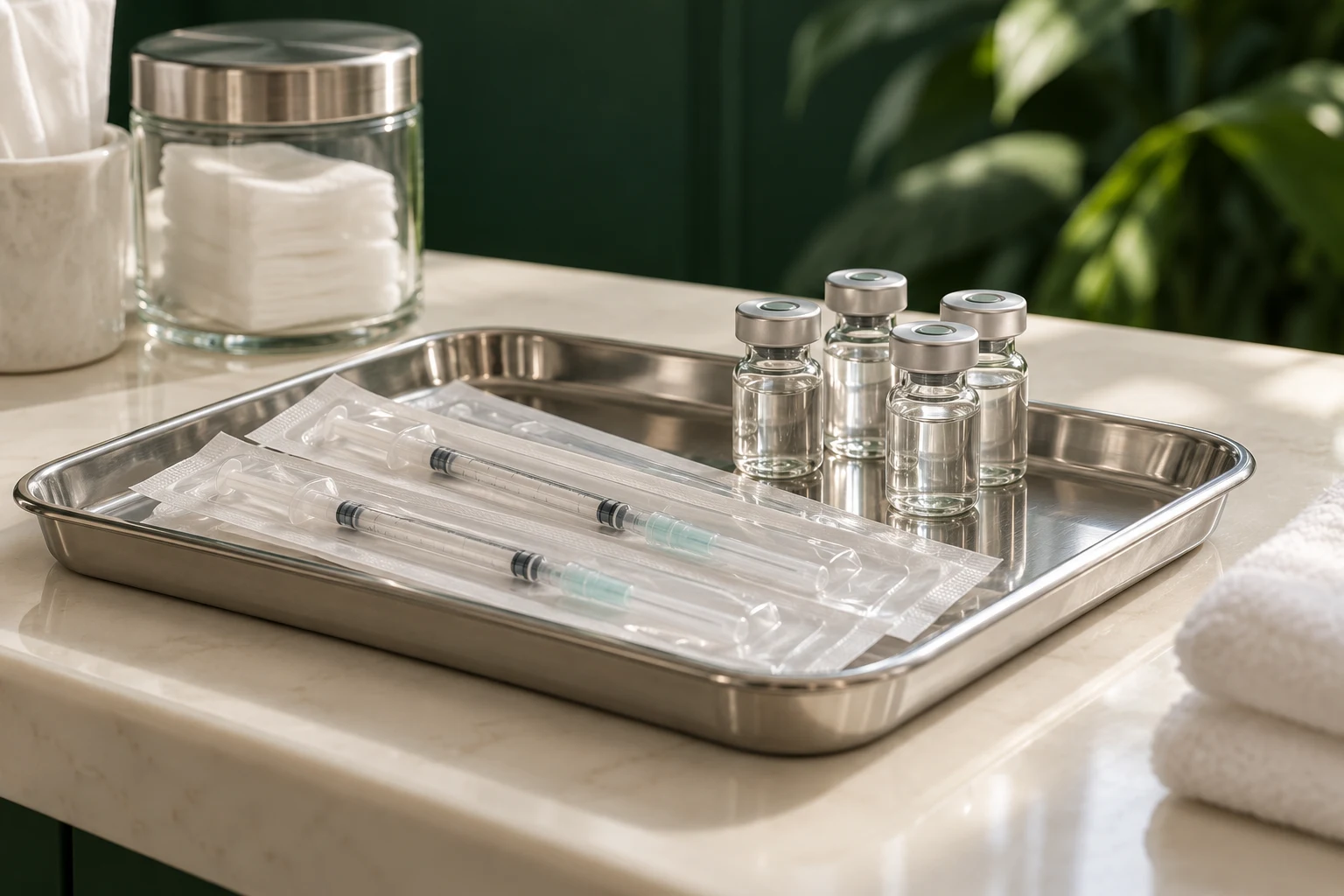
- PreparationThe area is cleaned and prepared with antiseptic. Anaesthetic cream may be used when appropriate.
- InjectionFine needles deliver the product manually or with a suitable device. Depth and technique depend on the area.
- Session planSome aesthetic protocols use 4–6 sessions spaced 1–2 weeks apart. This is not universal: initial and maintenance plans depend on product, indication and response.
Treatment areas
Area selection depends on the goal and product. Not every product is suitable for every area.
- Face and surrounding areasFace, eye area, neck, décolletage and hands. Sensitive sites such as the under-eye area need specific assessment.
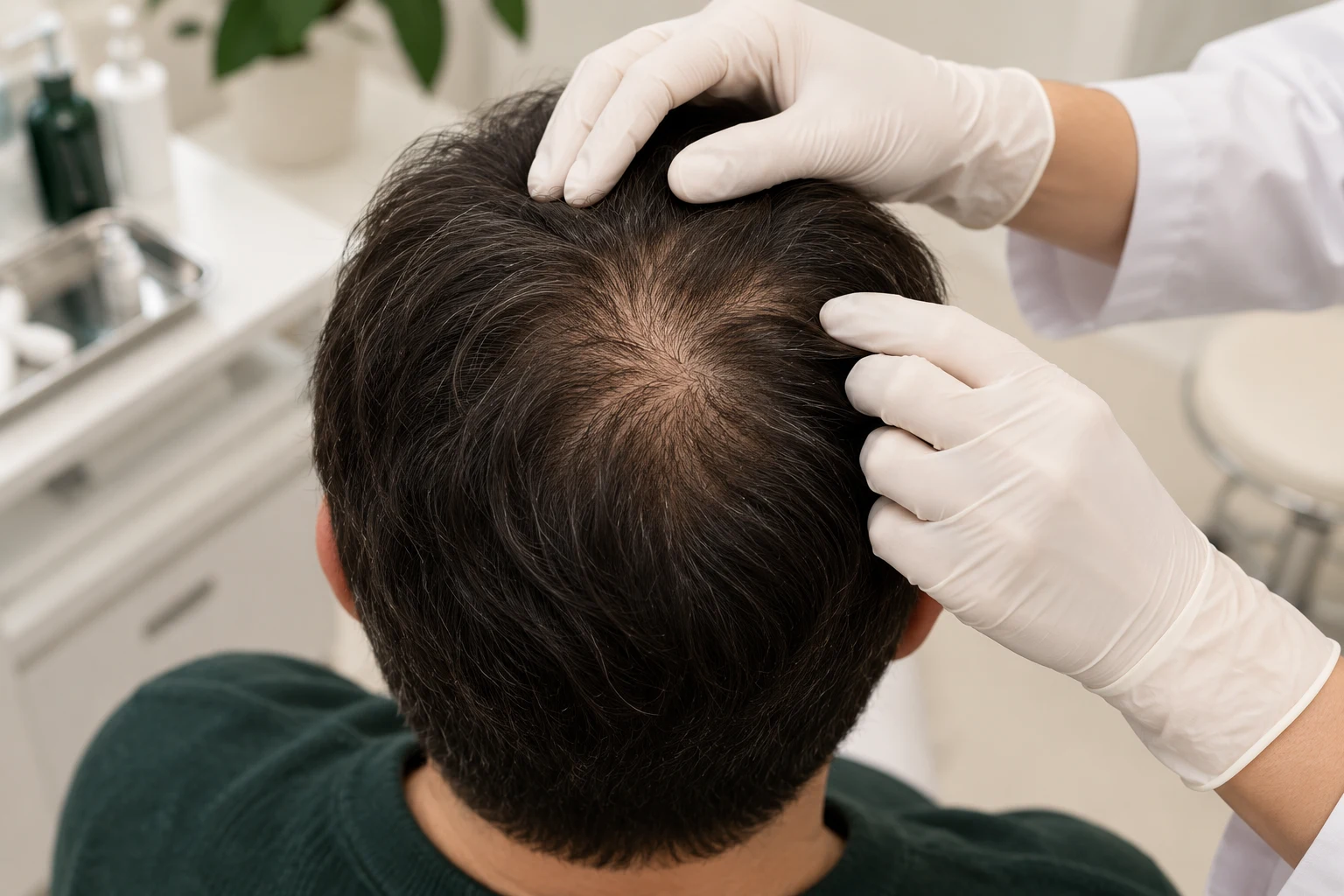
- ScalpPlanning follows hair-loss diagnosis and scalp findings.
- BodyAbdomen, buttocks, hips, thighs and inner arms may be assessed according to product and purpose.
- Medical applicationsApplications around muscles or joints depend on diagnosis and the clinician’s scope of practice.
What concerns may be assessed?
The following concerns may prompt assessment. Listing a concern does not establish effectiveness or suitability of every mesotherapy mixture.
- SkinDryness, dullness, fine lines, pigmentation or melasma, acne scars, stretch marks and under-eye concerns. Diagnosis and alternatives are reviewed.
- HairCauses of androgenetic hair loss or telogen effluvium are assessed first, including deficiencies and established treatments.
- BodyProduct- and method-specific options may be discussed for cellulite, local fat or laxity.
- MedicalMusculoskeletal pain, tendinitis and sports injuries. Standard disease-specific care takes priority in lymphoedema or venous insufficiency.
When is treatment unsuitable or postponed?
Suitability depends on product and health status. Disclose the following before treatment.
- Pregnancy and breastfeedingElective aesthetic applications are not planned during these periods.
- Product allergyA product must not be used if its contents cause allergy.
- Active infection, herpes or open woundsTreatment is postponed until the local condition resolves.
- Anticoagulants and clotting disordersBleeding and bruising risks require assessment. Never stop medicines independently.
- Uncontrolled diabetesDisease control takes priority because of infection and healing risks.
- Active cancer treatment or immunosuppressionElective aesthetic care is not planned without input from the treating team.
- Active autoimmune diseaseDisease activity, medicines and product require joint assessment.
- Severe heart, kidney or liver diseaseUnderlying disease treatment and specialist assessment take priority.
- Keloid tendencyReport any history of excessive scarring.
- Under eighteenElective aesthetic applications are not planned. Medical needs are assessed separately.

An important note on local contouring
Mesotherapy and injection lipolysis do not replace overall weight-management care. Risks depend on the substance; liver disease requires specific assessment and may make treatment unsuitable.
- Known compositionNot every mixture or product marketed as fat-dissolving is safe or appropriate.
- Individual goalLocal appearance goals and obesity management require different plans.
Possible adverse effects and follow-up
Needle- and product-related risks are discussed before consent.
- Early effectsTemporary redness, tenderness, swelling and bruising can occur.
- Symptoms requiring assessmentAllergy, infection, persistent nodules or rarely tissue injury can occur. Seek review for increasing pain, warmth, discharge or marked colour change.
- AftercareFollow clinic advice about irritating products and further procedures in the area.
Planning suitable mesotherapy together
Treatment is planned after clinical assessment, using sterile conditions and products with known contents and appropriate intended use. Contact the clinic at +90 506 520 30 55 or via WhatsApp for information and appointments.
Frequently asked questions
Is a skin booster mesotherapy?
Some skin boosters use mesotherapy-like intradermal injections. Contents, intended use and recommended layer determine the approach.
Are PRP and mesotherapy the same?
PRP describes a platelet-rich blood-derived preparation; mesotherapy describes an injection method. PRP can be injected intradermally, but not every PRP application is mesotherapy.
Does everyone need 4–6 sessions?
No. This is an example for selected protocols. Product, need, tolerance and response guide session number and spacing.
Does mesotherapy cause weight loss?
It is not an overall weight-loss method. Local procedures differ from nutrition, activity and obesity treatment.
Mesotherapy cost in Istanbul, Turkey (2026): what determines the price?
Pricing for mesotherapy in Istanbul depends on the treatment area, the technique, the number of sessions needed and the findings at examination, so a fixed price is not published on this site. Up-to-date 2026 pricing is provided after your consultation; for preliminary information you can contact us by phone or WhatsApp.
Let’s discuss the option suited to you.
WhatsAppChat on WhatsAppSources and further reading
Turkish Ministry of Health · Mesotherapy ↗Turkish Ministry of Health · Information and safety ↗Société Française de Mésothérapie · History ↗AAD · Hair loss: diagnosis and treatment ↗FDA · Fat-dissolving injections and risks ↗2025 consensus · Safe, evidence-based mesotherapy ↗Updated: 16 October 2026 · General patient information. Individual treatment is planned in consultation.