Diet after a gastric balloon: a stage-by-stage guide from day one until the balloon is out
Short answer: After a gastric balloon is placed, eating usually progresses in four stages: clear fluids for the first 2–3 days, thick fluids and smooth purées until the end of the first week, soft foods in week 2 and small normal meals from week 3. The pace is set by your doctor and dietitian according to you and the balloon type.
Why nutrition matters so much
A gastric balloon partly fills the stomach so you feel full with less food. Much of its benefit depends on the eating habits built while the balloon is in place. This guide summarises the general framework we give our patients; it does not replace your personal plan.
Stage-by-stage timeline
Timings are a general guide; if nausea continues, you do not move to the next stage.
| Stage | When? | What to have | Tip |
|---|---|---|---|
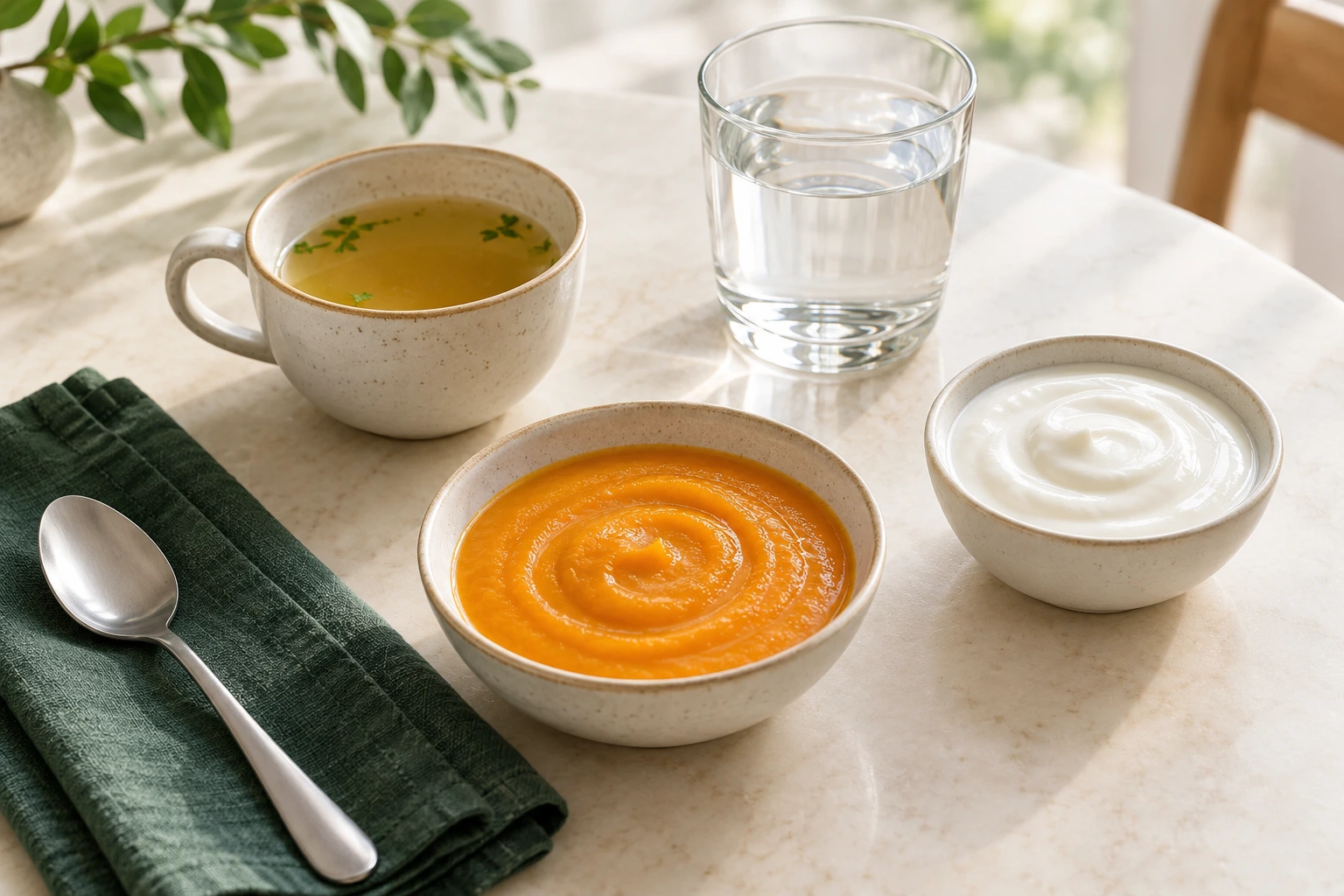
| 1. Clear fluids | First 2–3 days | Water, fat-free broth, unsweetened herbal tea, unsweetened compote juice | Sip slowly; aim for 1.5–2 litres a day |
| 2. Thick fluids and purées | About days 3–7 (the first week stays mostly liquid) | Ayran, yoghurt, strained soups, vegetable purée, protein drinks if advised | A few spoonfuls per meal; stop when full |
| 3. Soft foods | About week 2 | Boiled eggs, cottage and white cheese, well-cooked fish, minced meat, boiled vegetables | Chew each bite 15–20 times |
| 4. Small normal meals | From week 3 | Protein-first plate, vegetables, a little whole grain | 3 meals + 1–2 snacks; avoid late evening meals |
Plate order and daily rules
- Protein first to help limit muscle loss.
- Separate fluids from meals: drink 30 minutes before and after eating.
- Eat slowly: a meal should take about 20 minutes.
- Finish early: stop eating at least 3 hours before bed to reduce reflux.
- Take prescribed medicines such as stomach protectors and anti-nausea tablets.
Best avoided: fizzy and sugary drinks, fruit juice, alcohol, fried, very fatty or spicy food, tough fibrous meat, pastries and packaged snacks.
Expected symptoms and warning signs
Nausea, vomiting, cramps and bloating are common in the first 3–7 days and usually settle with medicines and fluids. Drinking enough is the priority.
Contact your doctor without delay if you have:
- No fluids staying down, or vomiting for more than 24 hours
- Less urine, a very dry mouth or dizziness
- Severe or worsening abdominal pain
- Blood or coffee-ground material in vomit, or black stools
- A swollen abdomen and no passage of gas or stool
- Fever or shortness of breath
- A sudden change in urine colour (some balloons contain a dye that shows deflation)
Keeping the weight off after the balloon
- Keep portion sizes and meal timing from the balloon period.
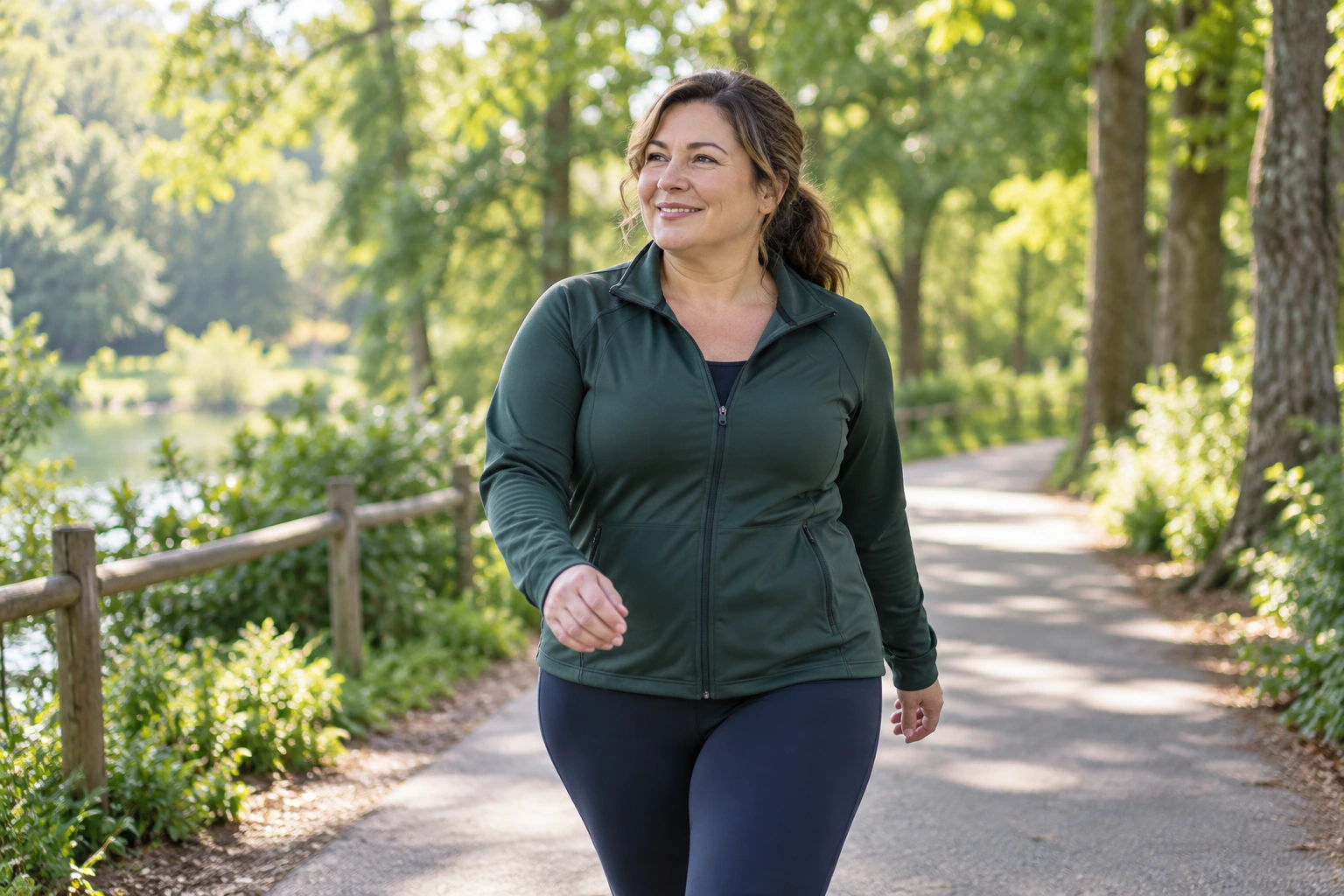
- Plan at least 150 minutes of moderate activity a week and 2 days of strength training.
- Weigh yourself once a week; come in if you regain 2–3 kg.
- Dietitian and doctor follow-up continues for at least 6 months.
Frequently asked questions
What can I eat on the first day?
No food; only clear fluids such as water, fat-free broth and unsweetened herbal tea, sipped slowly.
When can I eat solid food?
Usually soft foods in week 2 and small normal meals from week 3. If nausea continues, the transition is delayed.
Can I drink coffee with a balloon?
After the liquid stage, 1–2 cups a day, unsweetened and away from meals. Reduce it if you have reflux.
Why avoid fizzy drinks?
They increase gas and bloating in the stomach and can cause early fullness and discomfort.
How much weight will I lose?
It varies. Starting weight, balloon type and length, nutrition and activity determine the result; targets are set individually.
Related guides
Sources and further reading
NHS · Dietary guidance after intra-gastric balloon insertionMayo Clinic · Intragastric balloonGeneral patient information. The right approach is decided in consultation. Results vary from person to person.