Why healthy eating and exercise matter
Short answer: Adults are advised to do at least 150–300 minutes of moderate activity a week plus strength training on 2 days. Half the plate should be vegetables and fruit, part of it protein, and sugary drinks and processed foods should be reduced.
Nutrition basics
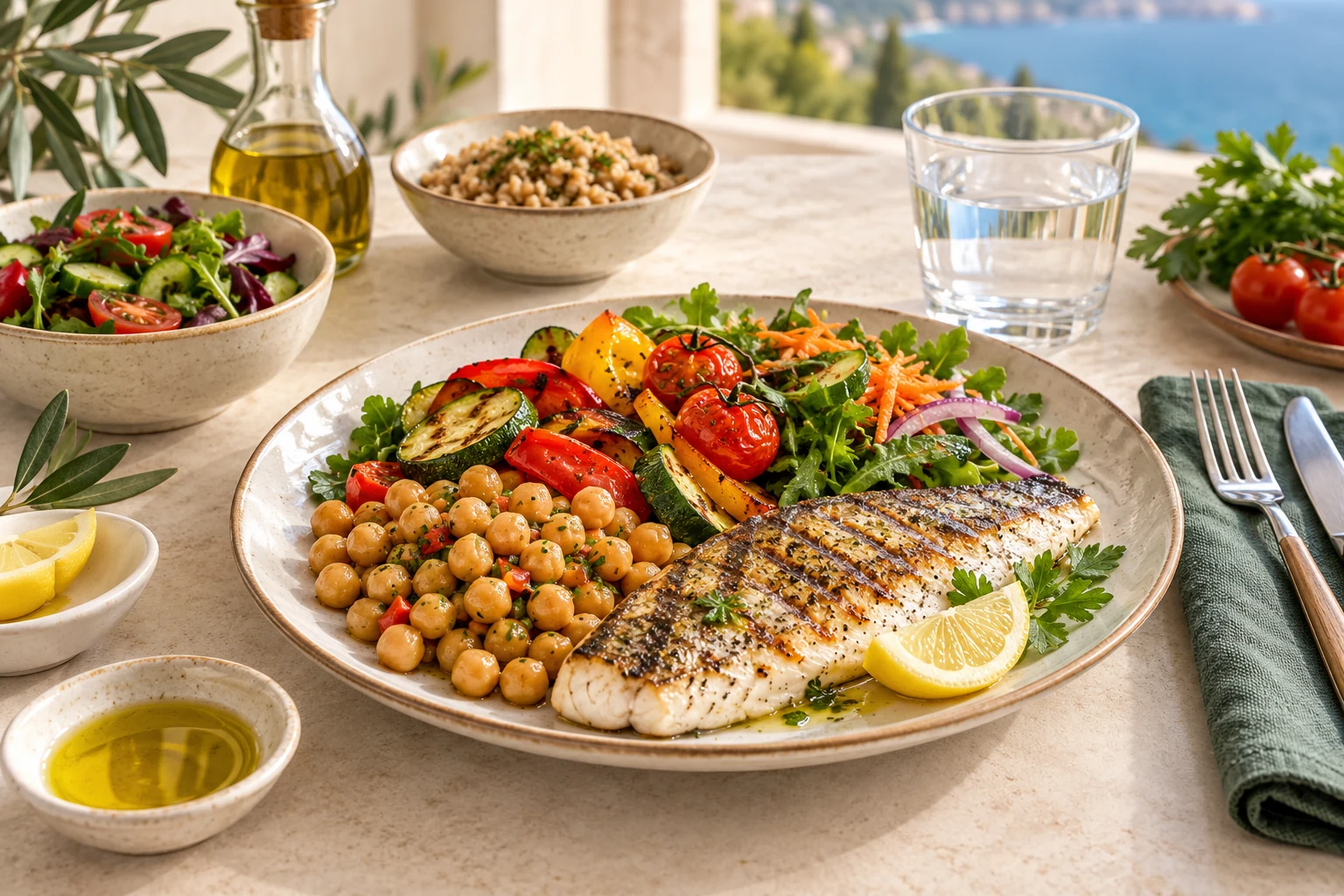
- Half the plate vegetables and fruit for fibre, vitamins and fullness.
- Enough protein: fish, chicken, eggs, pulses and dairy help preserve muscle.
- Whole grains instead of white flour and sugar.
- Healthy fats such as olive oil and nuts, in moderation.
- Avoid sugary drinks; water should be the main drink.
- Cut down on processed foods high in salt, sugar and saturated fat.
Exercise basics
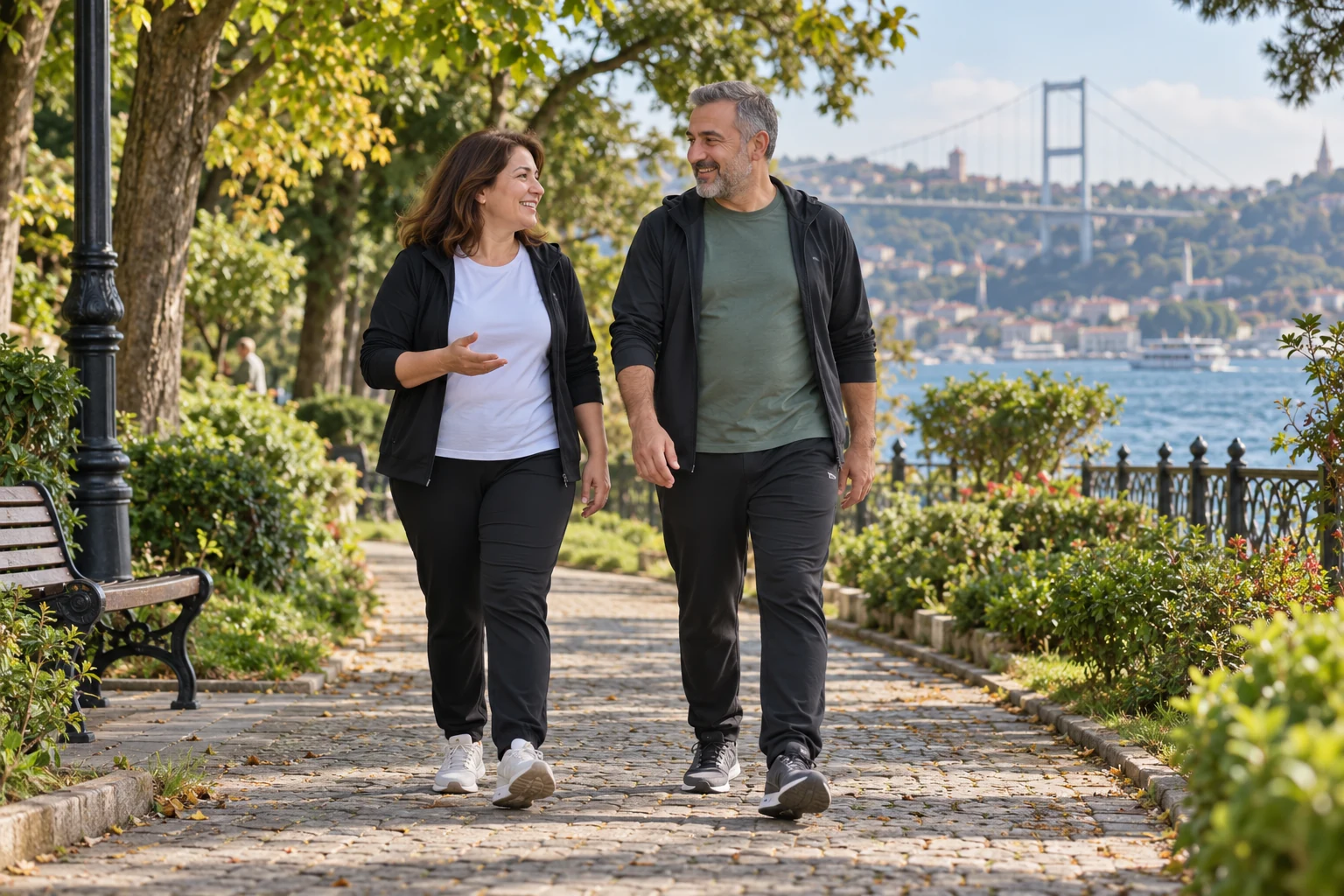
The World Health Organization recommends at least 150–300 minutes of moderate (e.g. brisk walking) or 75–150 minutes of vigorous activity a week for adults.
- Strength training at least 2 days a week helps preserve muscle, especially while losing weight.
- Avoid long periods of sitting; even a short walk every hour helps.
- Start gradually and check with your doctor if you have a chronic condition.
Sleep and stress
Poor sleep and long-term stress can disturb appetite and weight control. A regular bedtime and short daily walks can make a difference.
When to see a doctor
If weight control is hard despite diet and exercise, or you have blood sugar, blood pressure or thyroid problems, a medical assessment helps. See gastric balloon treatments and GLP-1 analogues.
Frequently asked questions
Is diet alone enough to lose weight?
Diet plays a major role, but exercise helps preserve muscle and maintain the weight lost. Together they give a more balanced result.
Which exercise is best?
Any exercise you can do regularly. Combining aerobic activity such as walking with strength training on 2 days a week is usually advised.
General patient information. The right approach is decided in consultation. Results vary from person to person.