Nutrition in Hashimoto's Disease
In Hashimoto's disease, diet is one of the important elements supporting thyroid health and general wellbeing. In this context, an autoimmune nutrition approach based on removing grains – especially those containing gluten – as well as legumes, dairy products and sugar may be considered.
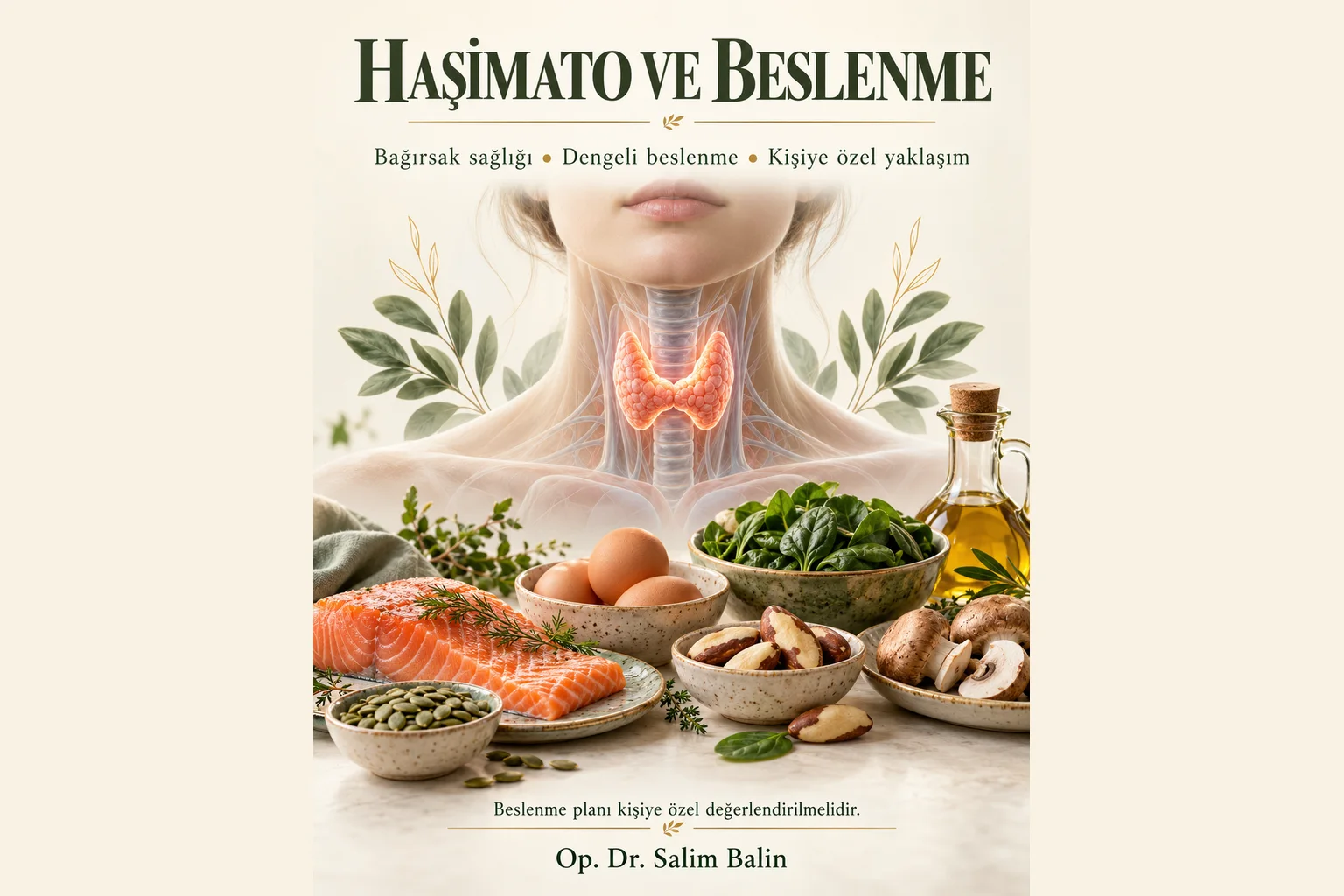
Hashimoto's is an autoimmune disease in which the immune system targets the thyroid gland. The immune response and antibodies against thyroid tissue can damage the gland and, over time, reduce thyroid hormone production.
Gut health and increased intestinal permeability are thought to play a role in autoimmune diseases. This condition, popularly called “leaky gut”, refers to impaired function of the intestinal barrier. The aim of the diet is therefore to reduce possible immune triggers, support the intestinal barrier and help control the inflammatory process.
The autoimmune nutrition protocol used for this purpose is based on removing four main food groups for a certain period: grains, legumes, dairy products and sugar. Gluten-containing grains are removed because of gluten; legumes and dairy products are considered under the protocol's other criteria. It is important that this approach is planned with a doctor and dietitian, taking into account the person's complaints and nutritional needs.
Gluten-free eating is often emphasised in Hashimoto's disease. Gluten is thought to affect intestinal permeability and stimulate the immune response in susceptible people. A possible molecular similarity between gluten and thyroid tissue and its relation to the autoimmune process is also being researched. Similar mechanisms are discussed for casein, a milk protein. However, it has not been definitively shown that these mechanisms act the same way in every Hashimoto's patient.
This approach is not only about removing certain foods but also about replacing them with nutrient-dense, balanced options. Foods such as Brazil nuts, pumpkin seeds, fish, turkey, eggs, mushrooms and spinach may be included to support intake of micronutrients, especially zinc and selenium. Food variety should be maintained, with adequate protein, healthy fats and fibre.
Where needed, food supplements may be used under a doctor's supervision after assessing the person's nutritional status and test results. The aim is not unnecessary or high-dose supplementation but appropriate correction of identified deficiencies. The diet should also be re-evaluated according to symptoms, tolerance and follow-up results.
Clinic in Ataşehir, Istanbul and nearby districts
For questions on this topic and a personal assessment, you can book an appointment at Op. Dr. Salim Balin’s clinic in Ataşehir.
The clinic is in Atatürk Mahallesi, Ataşehir, in Metropol İstanbul Block B. Besides the Barbaros, İçerenköy, Küçükbakkalköy, Kayışdağı, Yenisahra and Ferhatpaşa neighbourhoods of Ataşehir, we see patients from Kadıköy (Kozyatağı, Bostancı, Göztepe, Erenköy), Ümraniye, Maltepe, Çekmeköy, Sancaktepe, Üsküdar, Kartal and other districts of Istanbul.
Address: Atatürk Mahallesi, Ertuğrul Gazi Cad. No: 2H, Metropol İstanbul B Blok, Floor 18, No: 282, 34750 Ataşehir/Istanbul · Monday–Saturday 09:00–18:00 · +90 506 520 30 55 · WhatsApp · Address and directions
Ask me
Get in touch with your questions about Nutrition in Hashimoto's disease or to request an appointment.
💬 Ask me on WhatsApp — +90 506 520 30 55
✉️ Ask me by email — info@drsalimbalin.com
📍 We are at Metropol İstanbul Mall, in the best location in Ataşehir, Istanbul.
Metropol İstanbul Block B, Floor 18 · Ataşehir/Istanbul · Directions ↗