Constipation: Causes, Symptoms and a Holistic Approach
Constipation means fewer than three bowel movements a week, hard or lumpy stools, straining or a feeling of incomplete emptying. The most common causes are low fibre and fluid intake, inactivity, ignoring the urge to go, certain medicines and changes in routine. Gradually increasing fibre, adequate fluids, regular activity, a regular toilet routine and a footstool posture help most people. See a doctor if you have blood in your stool, unintended weight loss, constant abdominal pain or a new change in bowel habit.
Constipation is very common: about one in six adults, and about one in three over 60, have symptoms (NIDDK). It is usually linked to diet and lifestyle, but it can sometimes signal another health problem.
This article takes a holistic, evidence-based look at the causes of constipation, how different fibres work, what genuinely helps, the right toilet posture and when you should see a doctor.
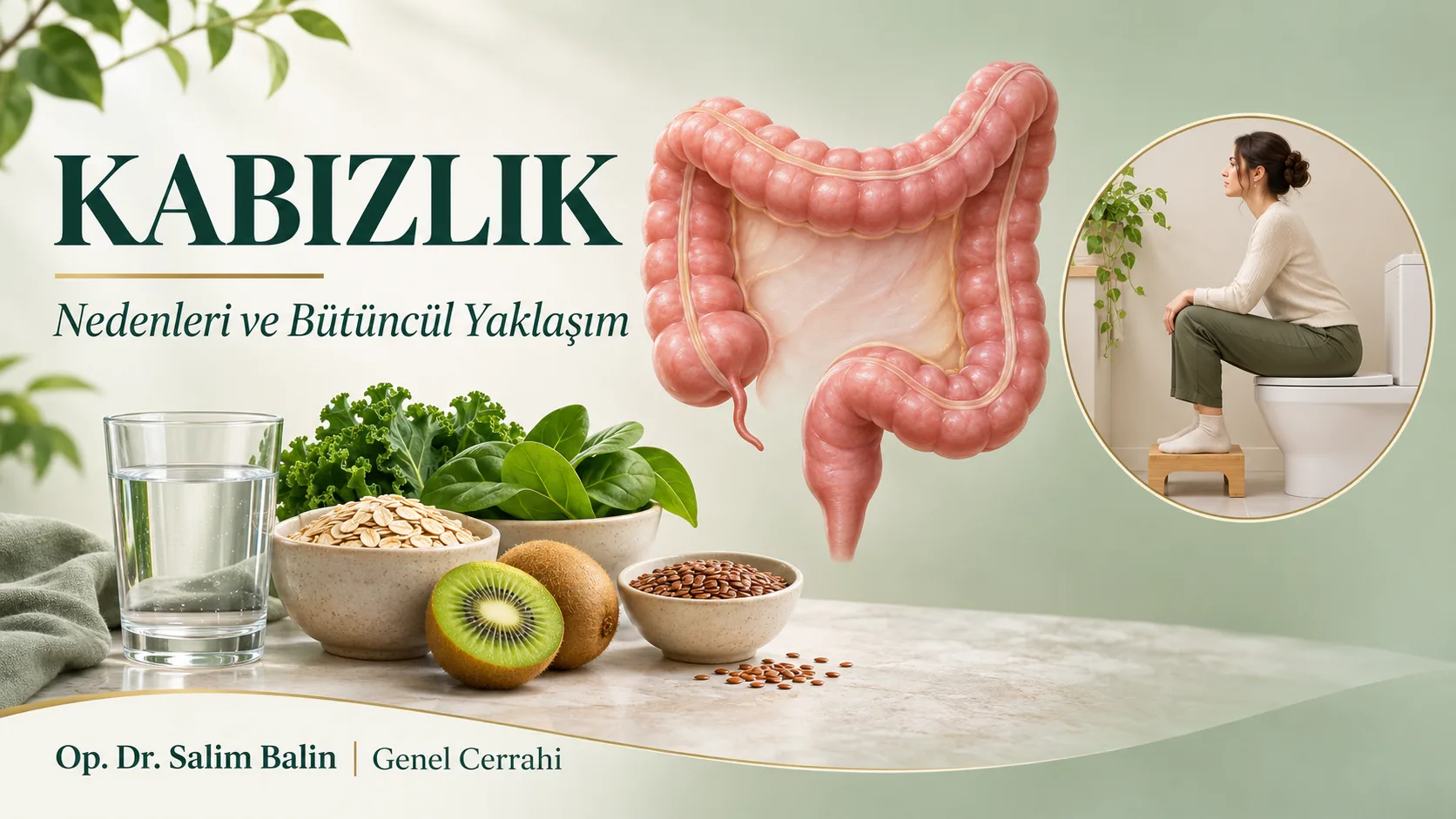
If constipation persists or red-flag symptoms appear, it should be assessed by a doctor.
What is constipation and what are the symptoms?
Constipation is a symptom rather than a disease. You may be constipated if you have one or more of the following (NIDDK):
- Fewer than three bowel movements a week
- Hard, dry or lumpy stools
- Difficult or painful bowel movements, needing to strain
- A feeling that not all stool has passed
These may come with bloating, wind, cramping abdominal pain and loss of appetite (NHS).
Bowel frequency varies from person to person. Anything from three times a day to three times a week is generally considered normal, so you do not need to go every day; what matters is that stool passes easily, without straining and with a sense of relief. Someone who goes every day but has hard stools, strains hard or feels incompletely emptied can also be constipated.
When symptoms last longer than three months, it is considered chronic constipation.
What causes constipation?
Constipation often has more than one cause (NIDDK) (NHS):
Diet and lifestyle
- Eating too little fibre (vegetables, fruit, whole grains, pulses)
- Not drinking enough fluid, or dehydration
- Inactivity and long periods of sitting
- Ignoring the urge to go or delaying the toilet
- Travel, shift work, changes in eating routine
- Pregnancy and older age
Medicines and supplements
- Opioid (narcotic) painkillers
- Iron supplements
- Antacids containing aluminium or calcium
- Some antidepressants, calcium channel blockers, diuretics, anti-seizure and Parkinson’s medicines
- Anticholinergic and antispasmodic medicines
If you think a medicine is causing constipation, do not stop it yourself; talk to your doctor.
Underlying health problems
- Irritable bowel syndrome (IBS)
- Pelvic floor muscles not coordinating properly during defecation (dyssynergia)
- Conditions such as hypothyroidism, diabetes and Parkinson’s disease
- Diverticular disease, bowel narrowing or tumours
- Avoiding the toilet because of pain from haemorrhoids or an anal fissure
The role of changes in gut bacteria (the microbiota) in constipation is being researched, but a clear cause-and-effect link has not been established. Likewise, there is no strong evidence that commonly cited explanations such as “magnesium deficiency” or “low stomach acid and bile flow” are common causes of constipation, so supplements aimed at them are not routinely recommended.
Types of fibre and their effects on constipation
Fibre is plant carbohydrate that reaches the large bowel undigested. Not all fibre works the same way:
| Fibre type | Found in | What it does in the bowel | Caution |
|---|---|---|---|
| Soluble, gel-forming fibre | Psyllium husk, oats, barley, flaxseed, pulses, apples, pears | Holds water and forms a gel; softens stool and eases its passage | Take with plenty of fluid; too little water can worsen bloating |
| Insoluble fibre | Wheat bran, whole grains, vegetable and fruit skins, nuts | Adds bulk to stool; may speed transit | Can increase bloating and discomfort in some people with severe constipation |
| Fermentable (prebiotic) fibre | Inulin, fructo- and galacto-oligosaccharides; onion, leek, artichoke, banana | Fermented by gut bacteria; may support some beneficial bacteria | Can cause wind and bloating; start small if your bowel is sensitive |
| Natural sources | Kiwifruit, prunes, figs, vegetables, wholegrain bread | Fibre, water and natural sorbitol can make bowel movements easier | Increase portions gradually |
Adults are generally advised to aim for about 25–30 grams of fibre a day (Harvard). In chronic constipation, about 77% of people given fibre supplements responded, compared with 44% on placebo; however, fibre can cause wind and bloating, and the quality of evidence is low (Christodoulides et al., 2016).
Increasing fibre gradually over a few weeks and taking it with plenty of fluid reduces bloating. In some people with severe constipation, more fibre can make symptoms worse (Müller-Lissner et al., 2005); in that case a medical assessment is needed.
How to relieve constipation quickly
For occasional constipation, most people feel better with a few simple steps:
- Drink more: spread water through the day; a warm drink in the morning can get the bowel moving.
- Fibre and natural softeners: a few prunes, kiwifruit or oats; take plenty of fluid with dried fruit.
- Get moving: a 20–30 minute walk may support bowel movements.
- Right time and posture: go after breakfast, put your feet on a stool and breathe slowly instead of straining.
- Don’t ignore the urge: do not delay when you feel the need to go.
If these steps do not help within a few days, ask a pharmacist or doctor; most over-the-counter laxatives work within 3 days and should only be used for a short time (NHS). With abdominal pain, vomiting, inability to pass wind, fever or bleeding, do not wait at home; see a doctor.
What helps constipation?
A holistic approach combines diet, activity, toilet habits and, if needed, medicines. For most people, lifestyle changes come first (NHS):
- Increase fibre gradually: Add vegetables, fruit, whole grains or pulses to each meal. Kiwifruit, prunes and oats are good places to start.
- Drink enough fluid: Spreading water through the day helps soften stool, especially if your intake is low or you sweat a lot. If you are not dehydrated, drinking large amounts of water alone does not cure constipation (Müller-Lissner et al.).
- Stay active: Regular activity such as walking may support bowel movements.
- Build a toilet routine: The 15–30 minutes after breakfast is when the bowel is naturally more active. Do not ignore the urge to go.
- Use the right posture: Put your feet on a small stool (details below).
- Review your medicines: If any may cause constipation, discuss alternatives with your doctor.
- Medicines if needed: If lifestyle changes are not enough, laxatives can be used on medical advice.
Are laxatives addictive?
Guidelines strongly recommend osmotic laxatives such as polyethylene glycol (PEG) for chronic constipation, and conditionally recommend fibre, magnesium oxide, lactulose and senna (AGA–ACG 2023). The belief that stimulant laxatives at recommended doses damage the bowel or are addictive is not supported by evidence, and tolerance is uncommon (Müller-Lissner et al.). Some people with chronic constipation need ongoing treatment because the underlying problem persists, not because of laxative dependence.
Even so, laxatives should not be used long term at random. The choice of medicine, dose and duration should be agreed with a doctor. Magnesium-containing medicines should be used with caution in people with kidney disease.
Do probiotics help?
Some studies suggest certain probiotic strains may increase bowel frequency, but results vary by strain and the evidence is not yet strong enough for routine recommendation. Fermented foods can be part of a balanced diet.
What is the right toilet posture?
Sitting normally on a toilet narrows the angle between the rectum and the anal canal, which can make passing stool harder. A position closer to squatting widens this angle.
- Put your feet on a stool 15–20 cm high so your knees are above your hips.
- Lean forward slightly and rest your elbows on your knees.
- Relax your abdomen; breathe slowly and deeply instead of holding your breath and straining.
- Do not sit on the toilet for long (for example with your phone); if nothing happens within 5–10 minutes, try again later.
In a study using a footstool, participants reported going faster, straining less and feeling more completely emptied (Modi et al., 2019). The study was in healthy volunteers, but it is a simple and harmless measure. For more, see our article on defecation posture: squatting.
When should you see a doctor about constipation?
See a doctor if constipation does not improve with lifestyle changes, keeps coming back or you have a family history of bowel or rectal cancer (NIDDK). Seek assessment promptly if you have:
- Blood in your stool or rectal bleeding
- Unintended weight loss
- Constant abdominal pain, inability to pass wind or vomiting
- Fever
- A new, persistent change in bowel habit, especially after age 50
- Anaemia (iron deficiency)
- Pencil-thin stools or a constant feeling of incomplete emptying
We cover the causes of blood in stool in detail in our article on blood in stool. Where needed, an examination, blood tests and colonoscopy are used to look for underlying causes.
Which tests are done for constipation?
Constipation is usually diagnosed from a detailed history and examination; routine tests are not needed for everyone (AIGO/SICCR, 2012). Depending on the person, assessment may include:
- History and stool form: duration, stool appearance, diet, medicines and any family history of bowel cancer.
- Abdominal and anal examination: checking for haemorrhoids, fissure, a lump and muscle coordination during straining.
- Blood tests: if needed, blood count, thyroid, calcium and glucose.
- Colonoscopy: planned to examine the large bowel with bleeding, weight loss, anaemia, a new change after age 50 or a family history.
- Bowel function tests: for chronic constipation that does not respond to treatment, anorectal manometry, a balloon expulsion test, colonic transit study or defecography may be used to find the cause.
Constipation, haemorrhoids and anal fissure
Hard stools and prolonged straining put pressure on the veins around the anus and can contribute to haemorrhoids and worsening symptoms. Small tears in the anal canal caused by passing hard stool are called an anal fissure, which causes sharp pain and bleeding during bowel movements.
Avoiding the toilet because of pain makes constipation worse, creating a vicious circle. That is why correcting constipation is a key step in treating haemorrhoids and fissures.
What to look for when seeking care for constipation in Istanbul
When you seek care for constipation, these points help ensure a proper assessment:
- Detailed history: How long symptoms have lasted, stool form, diet, fluid intake and medicines should be asked about.
- Screening for red flags: Bleeding, weight loss and family history must be assessed.
- Anal examination: Haemorrhoids, fissures and pelvic floor problems are distinguished by examination.
- Appropriate tests: Blood tests and, if needed, colonoscopy should be planned individually.
- A personalised plan: Diet, toilet habits and, if needed, medicines should be addressed together.
Constipation assessment in Ataşehir, Istanbul
At Op. Dr. Salim Balin’s clinic in Ataşehir, people with constipation have a detailed history taken, an anal examination, a check for red-flag symptoms and, if needed, tests planned. Related problems such as haemorrhoids and anal fissure are addressed in the same assessment.
You can book an appointment in Ataşehir, Istanbul to have your constipation assessed.
The clinic is in Atatürk Mahallesi, Ataşehir, at Metropol İstanbul B Block. Alongside Ataşehir’s Barbaros, İçerenköy, Küçükbakkalköy, Kayışdağı, Yenisahra and Ferhatpaşa neighbourhoods, we see patients from Kadıköy (Kozyatağı, Bostancı, Göztepe, Erenköy), Ümraniye, Maltepe, Çekmeköy, Sancaktepe, Üsküdar, Kartal and other districts of Istanbul.
Address: Atatürk Mahallesi, Ertuğrul Gazi Cad. No: 2H, Metropol İstanbul B Block, Floor 18, No: 282, 34750 Ataşehir/Istanbul · Monday–Saturday 09:00–18:00 · +90 506 520 30 55 · WhatsApp · Address and directions
Frequently asked questions about constipation
Do I need to have a bowel movement every day?
No. Anything from three times a day to three times a week is generally normal. What matters is that stool passes easily, without straining and with a sense of complete emptying.
Can I be constipated even if I go every day?
Yes. Even if you go every day, hard or pellet-like stools, heavy straining or a feeling of incomplete emptying are signs of constipation.
Which doctor should I see for constipation?
You can see a general surgeon, gastroenterologist or internal medicine specialist. If you have rectal bleeding, haemorrhoids, an anal fissure or a feeling of incomplete emptying, assessment by a general surgeon who performs an anal examination is helpful.
What causes constipation?
The most common causes are low fibre and fluid intake, inactivity, ignoring the urge to go, travel and changes in routine, and medicines such as iron supplements, opioid painkillers and some antidepressants. IBS, hypothyroidism, diabetes and bowel narrowing can also cause it.
What helps constipation?
Gradually increasing fibre, drinking enough fluid, staying active, building a toilet routine after breakfast and using a footstool help most people. If not enough, a suitable laxative can be used on medical advice.
How much fibre should I eat for constipation?
Adults are generally advised to aim for about 25–30 grams of fibre a day. Increasing fibre gradually over a few weeks and taking it with plenty of fluid reduces wind and bloating.
Does drinking water cure constipation?
Low fluid intake worsens constipation, so increasing it helps if your intake is low. But if you are not dehydrated, drinking a lot of water alone does not cure constipation; it should be combined with fibre and other measures.
Are laxatives addictive?
There is no scientific evidence that laxatives at recommended doses are addictive or damage the bowel, and tolerance is uncommon. Still, the type, dose and duration of a laxative should be agreed with a doctor.
Does magnesium help constipation?
Magnesium oxide is an osmotic laxative conditionally recommended in chronic constipation guidelines. It should be used with caution in kidney disease and taken on medical advice. Magnesium deficiency has not been shown to be a common cause of constipation.
Do kiwifruit and prunes help constipation?
Kiwifruit and prunes contain fibre, water and natural sugar alcohols and can make bowel movements easier for many people. They can be eaten as part of a balanced diet, increasing portions gradually.
Does a toilet stool help?
Raising your feet 15–20 cm creates a position closer to squatting and can make bowel movements easier. In one study, using a stool reduced straining and time on the toilet and improved the feeling of complete emptying.
Can constipation cause haemorrhoids?
Hard stools and prolonged straining can contribute to haemorrhoids and worsening symptoms. Hard stool can also cause an anal fissure, so correcting constipation is a key part of treating both.
When is constipation an emergency?
See a doctor promptly if you have blood in your stool, unintended weight loss, constant abdominal pain, inability to pass wind, vomiting or fever. A new, persistent change in bowel habit after age 50 should also be assessed.
How many days of constipation is dangerous?
Accompanying symptoms matter more than a set number of days. See a doctor promptly with abdominal pain, bloating, inability to pass wind, vomiting, fever or bleeding. Constipation that does not improve despite measures, keeps coming back or is new should also be assessed.
What helps constipation in pregnancy?
In pregnancy, hormones and iron supplements can make constipation worse. A fibre-rich diet, plenty of fluids and gentle exercise approved by your doctor come first. Ask your obstetrician before using laxatives or supplements; fibre supplements and some osmotic laxatives are generally preferred in pregnancy.
Does olive oil help constipation?
Studies on olive oil for constipation are small and limited. It can be part of a balanced diet but is not a treatment on its own. Oily laxatives such as liquid paraffin should not be used without medical advice.
Does coffee help constipation?
Coffee can stimulate bowel movements and make it easier to go in some people, but not in everyone. Coffee should not replace your daily fluid needs; drink water as well.
Where can I get constipation assessed in Ataşehir, Istanbul?
At Op. Dr. Salim Balin’s clinic in Ataşehir (Metropol İstanbul B Block, Floor 18), constipation is assessed with an anal examination and tests if needed. It is easy to reach from Kadıköy, Ümraniye, Maltepe and Üsküdar. Information: +90 506 520 30 55.
How much does a constipation consultation cost?
Under Turkish regulations, fees are not published on the website. For information about consultation and assessment, contact +90 506 520 30 55 or WhatsApp.
Sources
NIDDK. Symptoms & Causes of Constipation. niddk.nih.gov ↗NHS. Constipation. nhs.uk ↗Harvard T.H. Chan School of Public Health. Fiber. The Nutrition Source ↗Christodoulides S ve ark. Systematic review with meta-analysis: effect of fibre supplementation on chronic idiopathic constipation in adults. Aliment Pharmacol Ther 2016;44(2):103–116 ↗Chang L ve ark. AGA–ACG Clinical Practice Guideline: Pharmacological Management of Chronic Idiopathic Constipation. Am J Gastroenterol 2023;118(6):936–954 ↗Müller-Lissner SA ve ark. Myths and misconceptions about chronic constipation. Am J Gastroenterol 2005;100(1):232–242 ↗Modi RM ve ark. Implementation of a Defecation Posture Modification Device. J Clin Gastroenterol 2019;53(3):216–219 ↗Bove A ve ark. Consensus statement AIGO/SICCR: diagnosis and treatment of chronic constipation and obstructed defecation (part I: diagnosis). World J Gastroenterol 2012;18(14):1555–1564 ↗NHS. Constipation – treatment. nhs.uk ↗This content is for general information and does not replace diagnosis or treatment. See a doctor if constipation persists or red-flag symptoms appear. Images are illustrative.
Ask me
You can book an appointment in Ataşehir, Istanbul to have your constipation assessed, or send me your questions.
💬 Book on WhatsApp — +90 506 520 30 55
✉️ Ask me by email — info@drsalimbalin.com
📍 We are at Metropol İstanbul Mall, in the best location in Ataşehir, Istanbul.
Metropol İstanbul B Block, Floor 18 · Ataşehir/Istanbul · Directions ↗