Is the Future of Health in Medicine or on Your Plate?
Short answer: Medicine and the table are not rivals but a sequence. Medicine repairs a balance that has broken down; the table rebuilds that balance every day. Lasting health comes from investing the time medicine buys us back into the way we eat.
Between the pharmacy shelf and the table
Today many people look for health on the pharmacy shelf: an injection for weight, a tablet for blood sugar, another capsule for cholesterol. Medicine has come a long way; conditions we were once helpless against can now be managed. Yet in the shadow of this success a quiet question grows: are we putting what makes us ill on the table three times a day and leaving recovery to medicine alone?
This is not an argument against medicine. As a physician I see every day the moment a medicine saves a life. It is a reflection on the distance between where medicine should begin and where the table ends.
“Man is what he eats”
The German philosopher Ludwig Feuerbach’s famous line looks at first like simple dietary advice. Yet it says something deeper: the body is a structure rebuilt every day, and its bricks come from our plate. As our cells renew, we choose the material they use. In this sense the table is where health is rewritten every day.
Ancient thought sensed this long ago. The saying “Let food be thy medicine”, attributed to Hippocrates, is historically disputed, but the Hippocratic school clearly saw health as balance and disease as its disruption. Epicurus found happiness not in excess but in a sustainable measure: eating little but well, and with friends rather than in haste. What we now call the Mediterranean diet is, in a sense, this old wisdom translated into scientific language.
The table has a third dimension: time. A meal eaten standing, in front of a screen, in five minutes is not the same as one eaten sitting, talking and savouring, even with the same calories. Fullness takes time to reach the brain; a hurried stomach never learns when it is full. Perhaps the greatest nutritional problem of our age is not only what we eat, but how and how fast we eat it.
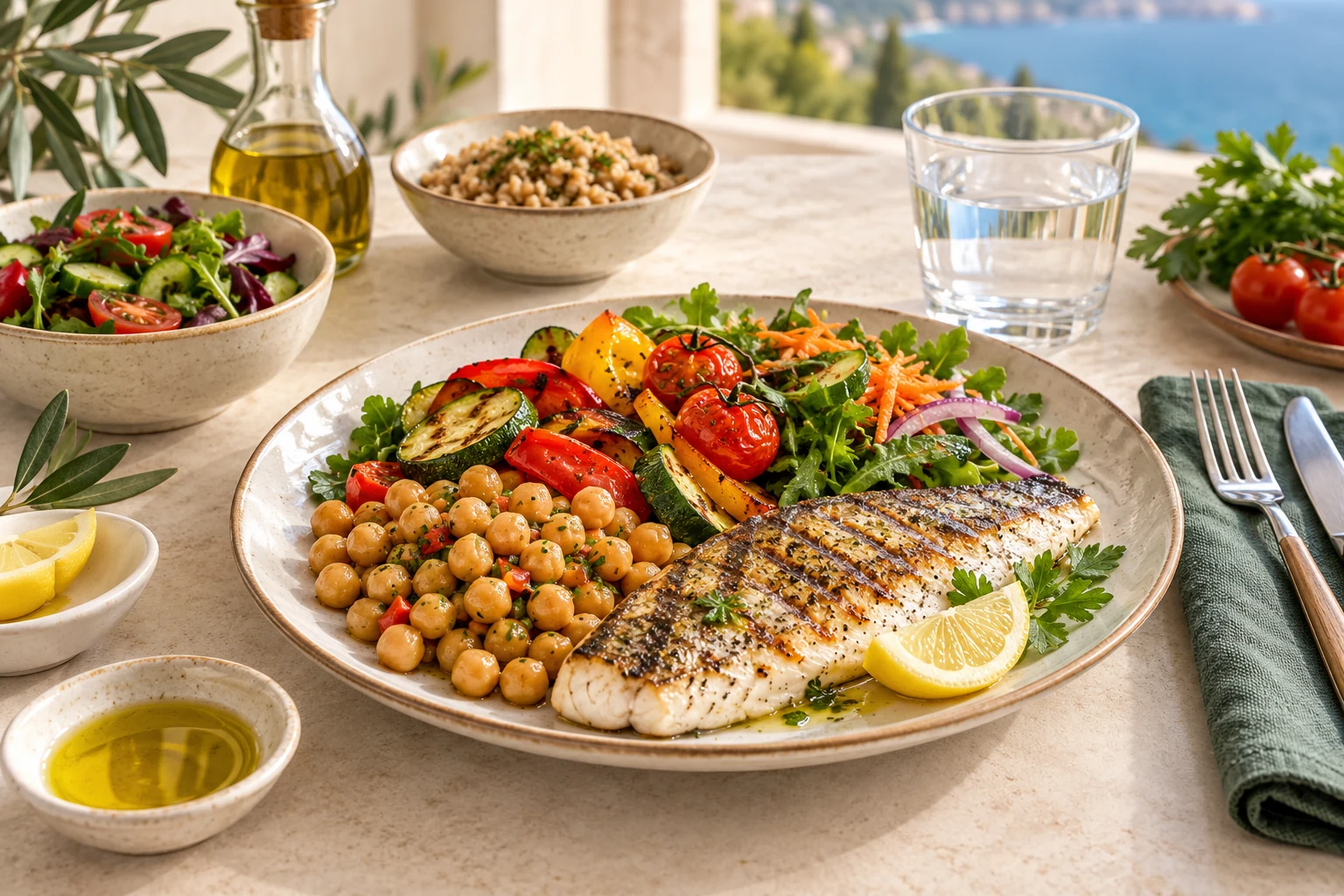
Medicine and the plate: not opposites, but a sequence
So the question is not “medicine or the table?” but “which comes first?” Medicine is a repairer that steps in where an established balance breaks down. The table is the craftsman that builds that balance every day. When we need the repairer we should welcome it; but if we dismiss the craftsman and leave everything to the repairer, the house becomes an endless repair job.
Weight-management medicines or methods such as the gastric balloon should be seen the same way. They calm appetite, buy time and open a door. But walking through that door and setting a new table is still up to the person. If the plate has not changed when treatment ends, weight tends to return. What lasts is investing the time medicine buys back into the table.
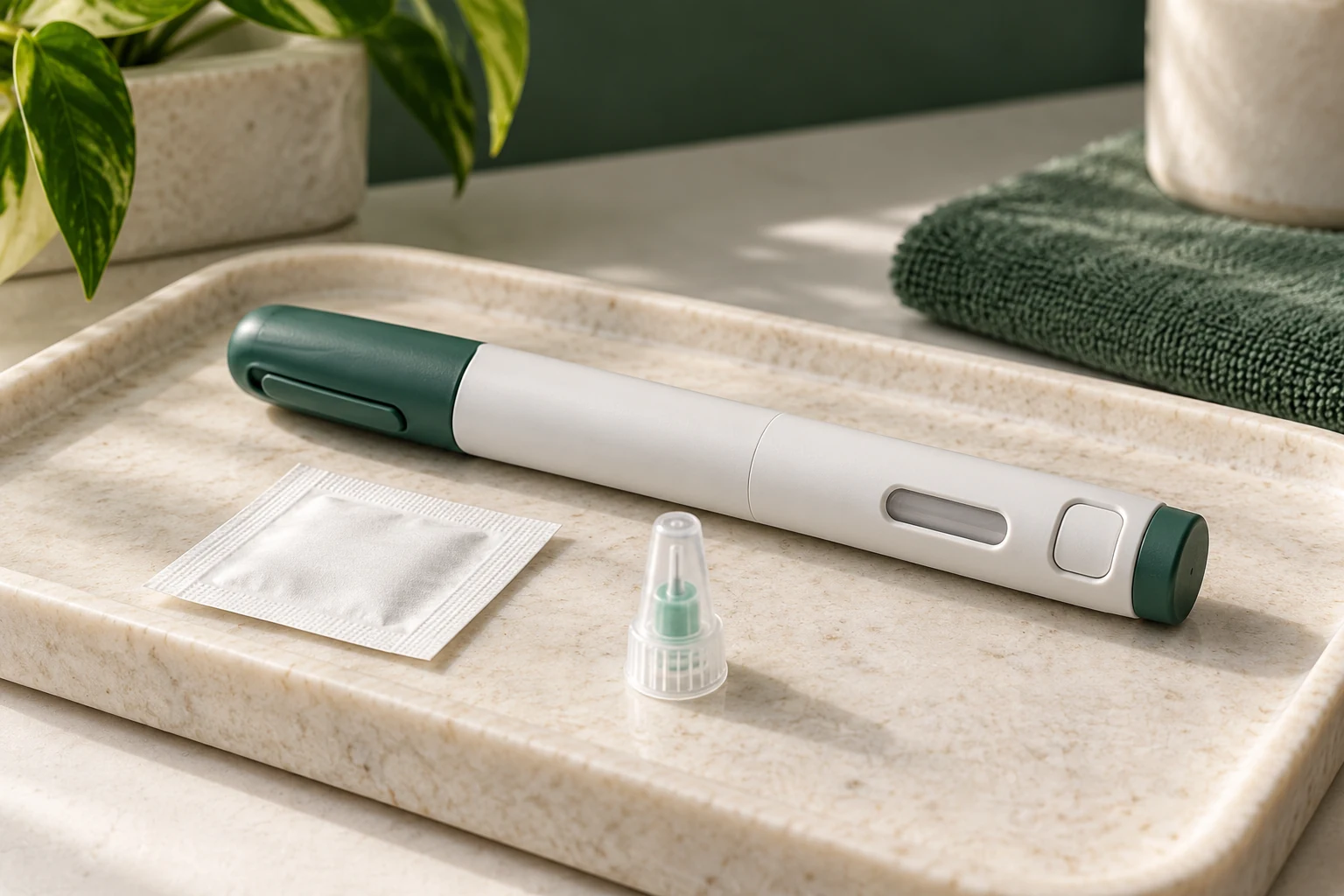
Conclusion: the future lies where the two meet
The future of health is not written only in a molecule made in a laboratory, but in the small decisions made in the kitchen, at the market and at the family table. A plate half full of vegetables, a glass of unsweetened tea, a twenty-minute screen-free dinner… These are never written on a prescription, yet they often work longer than one.
Perhaps it is best put this way: medicine is the answer to disease, the table is the question of health. And three times a day, we get the chance to answer that question again.
Frequently asked questions
Does nutrition still matter while taking medication?
Yes. Medication helps correct a disrupted balance; nutrition maintains that balance every day. Together they give more lasting results.
Where should I start for a healthier table?
Filling half the plate with vegetables, cutting sugary drinks and eating without rushing or screens is a good start.
Related guides
General patient information. Individual treatment is planned in consultation.