Glutathione: How Can the Body’s Natural Antioxidant Defence Be Supported?
Short answer: Glutathione is a key antioxidant that the body makes itself from three amino acids: glutamate, cysteine and glycine. The foundation of supporting it is a balanced diet with enough protein and sulphur-rich vegetables, enough sleep, regular activity and reducing factors that increase oxidative load, such as smoking and alcohol. Intravenous glutathione may be considered only in selected cases after a medical assessment; strong clinical evidence for a clear health benefit of routine use is limited.
In this article
What is glutathione and what does it do?
Glutathione is an important antioxidant that the body produces naturally and that helps protect cells against oxidative stress. It is made of three amino acids: glutamate, cysteine and glycine.
Besides cellular defence, it takes part in processes that help the body process and remove certain harmful substances. The body can make glutathione, but the balance between production capacity and need can change over a lifetime, so external support may be discussed in some situations.
Does glutathione decline with age?
In some people, glutathione production and recycling may weaken with age. However, getting older does not by itself mean that glutathione support is needed.
When nutritional shortfalls, some chronic diseases and environmental factors are added, the cells’ need for antioxidant defence may increase. A study in older adults reported that lower glutathione production was linked to a shortage of its building blocks, cysteine and glycine, which highlights the role of diet.
What upsets the glutathione balance?
- Cigarette smoke and heavy alcohol use
- Environmental pollutants
- Long-term stress and poor sleep
- An inadequate or unbalanced diet and some chronic diseases
These factors can increase oxidative load and upset the body’s defence balance. What matters is not only taking support but also reducing the factors that create this load.
Which foods support glutathione?
Supporting glutathione starts at the table. The aim is both to eat foods that contain glutathione and to provide the building blocks the body needs to make its own.
| Food group | Contribution to the glutathione system |
|---|---|
| Eggs, fish, yoghurt, meat and legumes | Help provide the amino acids used to make glutathione. |
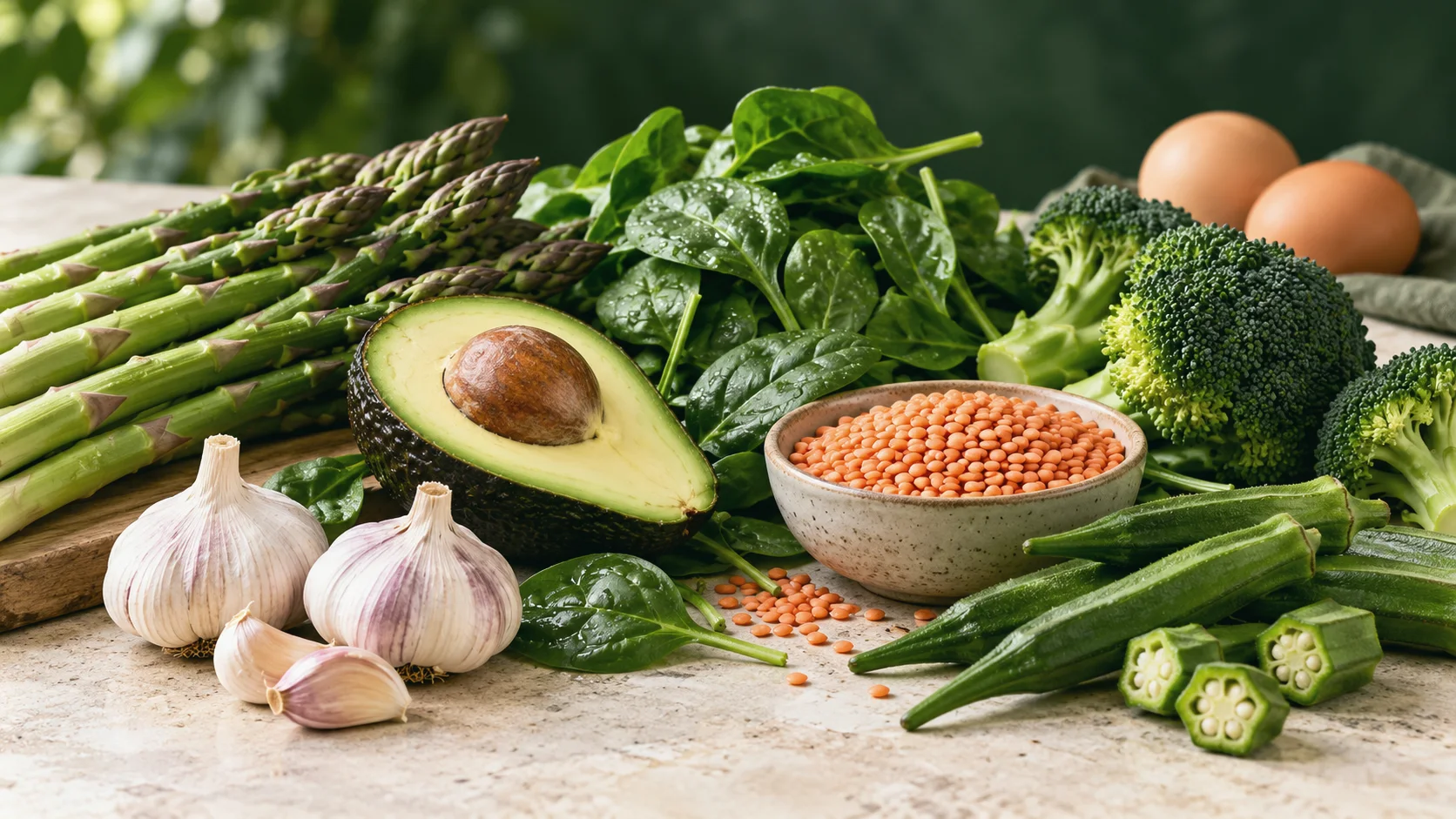
| Broccoli, cabbage, cauliflower and Brussels sprouts | May support cellular defence systems through their sulphur compounds. |
| Garlic and onion | Are among the foods containing sulphur compounds. |
| Asparagus, avocado and spinach | Naturally contain glutathione. |
| A variety of vegetables and fruit | Provide different nutrients that work together in antioxidant defence. |
Eating these foods regularly may support the glutathione system, but it does not guarantee that everyone’s needs will be met. A balanced diet with enough protein and a variety of plant foods is the basic approach.
When may intravenous (IV) glutathione be considered?
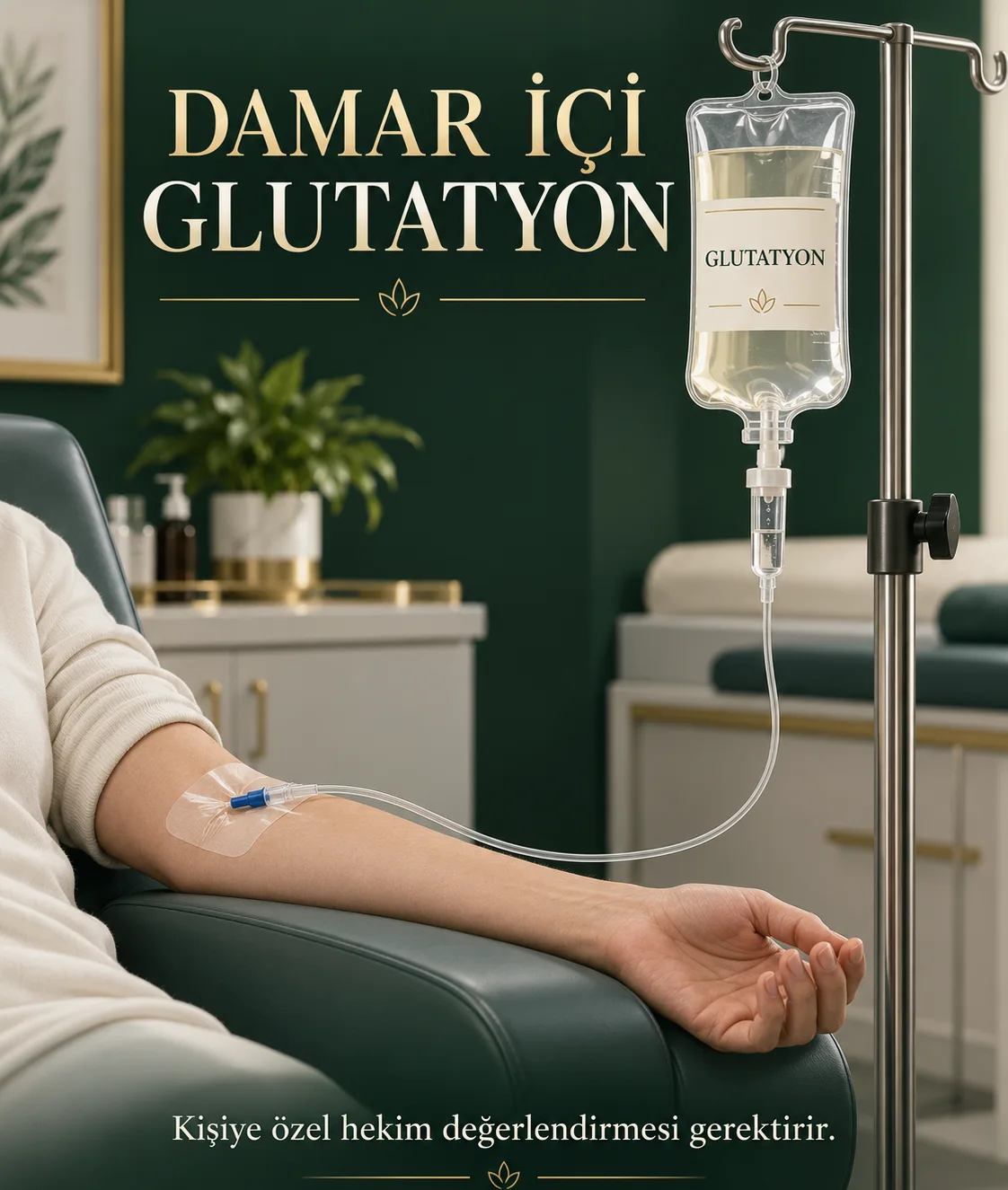
People who drink heavily, smoke, are exposed to environmental pollutants or cannot eat an adequate, balanced diet can be assessed by a doctor for increased oxidative load and factors affecting antioxidant defence. However, having these conditions does not by itself mean that intravenous glutathione is needed.
If problems persist despite changes to diet and lifestyle, the underlying causes should be investigated first. If IV glutathione is considered, the person’s clinical condition, the expected benefit and the possible risks should be weighed together. Strong clinical evidence that routine use brings a clear health benefit in these groups is limited.
- Possible risks: Intravenous use carries risks of allergic reaction, infection and problems related to product sterility.
- Product quality: The U.S. Food and Drug Administration (FDA) has issued warnings about adverse events linked to glutathione of a grade not suitable for sterile injection. IV use should therefore only be carried out under medical supervision with licensed, sterile products.
For how it is given, who it is not suitable for and what to watch out for, see our glutathione drip (IV) guide.
Does glutathione undo the harm of alcohol and smoking?
No. Glutathione support should not be seen as a way of cancelling out the harm caused by alcohol or smoking.
The foundation of supporting cellular defence is eating a balanced diet, sleeping enough, being active regularly and reducing harmful exposures. If you are quitting smoking, biofeedback-supported smoking cessation can also be planned.
Frequently asked questions
What is glutathione and what does it do?
Glutathione is an antioxidant the body makes itself from glutamate, cysteine and glycine. It helps protect cells against oxidative stress and takes part in processing and removing certain harmful substances.
Which foods contain or support glutathione?
Asparagus, avocado and spinach naturally contain glutathione. Eggs, fish, yoghurt, meat and legumes provide the building-block amino acids, and broccoli, cabbage, cauliflower, garlic and onion may support cellular defence through their sulphur compounds.
Does glutathione decline with age?
In some people glutathione production and recycling may weaken with age. However, getting older does not by itself mean that support is needed; diet and lifestyle are assessed first.
Who is IV glutathione given to?
IV glutathione is not a routine treatment recommended for everyone. In people whose problems persist despite diet and lifestyle changes, the underlying causes are investigated first; if IV use is considered, the clinical situation, expected benefit and risks are weighed with the doctor.
Does IV glutathione have risks?
Yes. Intravenous use carries risks of allergic reaction, infection and problems related to product sterility, so it should only be given under medical supervision with licensed, sterile products.
Does glutathione undo the harm of alcohol and smoking?
No. Glutathione support does not cancel out the harm of alcohol or smoking. The foundation of cellular defence is a balanced diet, enough sleep, regular activity and reducing harmful exposures.
Where can glutathione be assessed in Ataşehir?
Op. Dr. Salim Balin assesses diet, lifestyle and, where appropriate, intravenous supportive treatments after an examination at his practice at Metropol İstanbul, Block B, 18th floor, Ataşehir. For appointments call +90 506 520 30 55; fees are given after the examination.
Related guides
Glutathione drip: the body's main antioxidant ↗
IV vitamin C drip: who is it for and how is it given? ↗
Sources and further reading
Minich DM, Brown BI. A Review of Dietary (Phyto)Nutrients for Glutathione Support. Nutrients, 2019 ↗Sekhar RV. et al. Deficient synthesis of glutathione underlies oxidative stress in aging and can be corrected by dietary cysteine and glycine supplementation. Am J Clin Nutr, 2011 ↗U.S. FDA · Concerns about using dietary-ingredient glutathione to compound sterile injectables ↗U.S. FDA · Reminder not to use dietary-supplement-grade glutathione in injectables ↗Updated: 23 October 2026 · This content is for information only and is not a personal diagnosis or treatment recommendation. Supportive treatments do not replace standard care. A personal plan is made after examination.
Ask me
Get in touch with your questions about this topic or to request an appointment.
💬 Ask me on WhatsApp — +90 506 520 30 55
✉️ Ask me by email — info@drsalimbalin.com
📍 We are at Metropol İstanbul Mall, in the best location in Ataşehir, Istanbul.
Metropol İstanbul Block B, Floor 18 · Ataşehir/Istanbul · Directions ↗