Ozone therapy: the 10 most frequently asked questions and answers
Short answer: Ozone therapy is a traditional and complementary medicine (GETAT) method in which a medical oxygen–ozone mixture is applied in controlled doses to the blood, into a muscle, into a joint or soft tissue, or to the skin. It has been studied in some pain conditions and in wound care and is considered a supportive option in certain areas; it does not replace standard treatment, and it has not been proven in well-designed clinical trials to “strengthen immunity”. In Turkey, only doctors holding a Ministry of Health ozone practitioner certificate may perform it, in authorised healthcare facilities.
In this article we answer the 10 questions patients most often ask about ozone therapy on Google, on YouTube and to AI assistants, based on Ministry of Health information and published scientific sources.
Questions in this article
- What is ozone therapy and how is it done?
- What is ozone therapy for and what are its benefits?
- Which conditions is ozone therapy used for?
- Does ozone therapy strengthen the immune system?
- How many sessions of ozone therapy are needed and when is the effect seen?
- Does ozone therapy have side effects or risks?
- Who should not have ozone therapy and who is it risky for?
- What is major ozone therapy and how is ozone therapy via the blood done?
- Is ozone therapy painful and how long does a session take?
- Where can I have ozone therapy in Ataşehir, Istanbul, and how much does it cost?
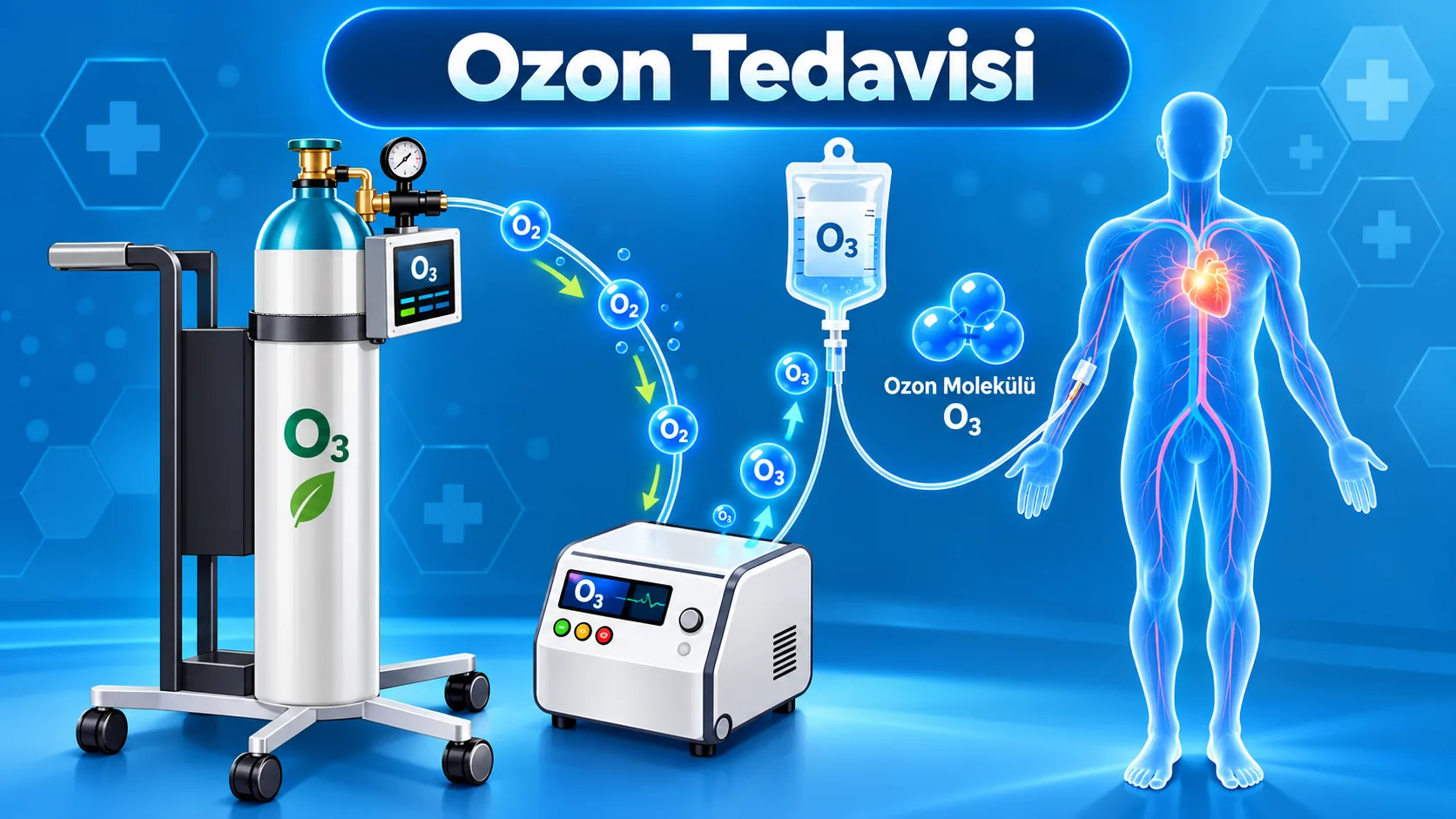
Understanding ozone therapy
What is ozone therapy and how is it done?
Ozone therapy is a GETAT method in which an oxygen–ozone mixture, produced from pure medical oxygen with a special generator, is given to the body in measured doses. The mixture can be applied with the person’s own blood, into a muscle, into a joint or soft tissue, rectally, or to the skin as ozonated oil and water.
Ozone (O₃) is an unstable, strongly oxidising gas made up of three oxygen atoms. The aim of treatment is to create a brief oxidative stimulus with a low, controlled dose in order to activate the body’s own antioxidant and repair responses. These mechanisms are still being researched.
- At the consultation, your complaint, medical history and the medicines you take are assessed; if needed, blood tests such as G6PD are requested.
- The method suited to the goal (systemic or local), the dose and the session plan are decided.
- Treatment is given with single-use, sterile, closed systems.
- After a short period of observation following the session, you return to your daily routine; response and tolerance are assessed at follow-up visits.
For details of the methods, see our article Ozone therapy in Ataşehir.
What is major ozone therapy and how is ozone therapy via the blood done?
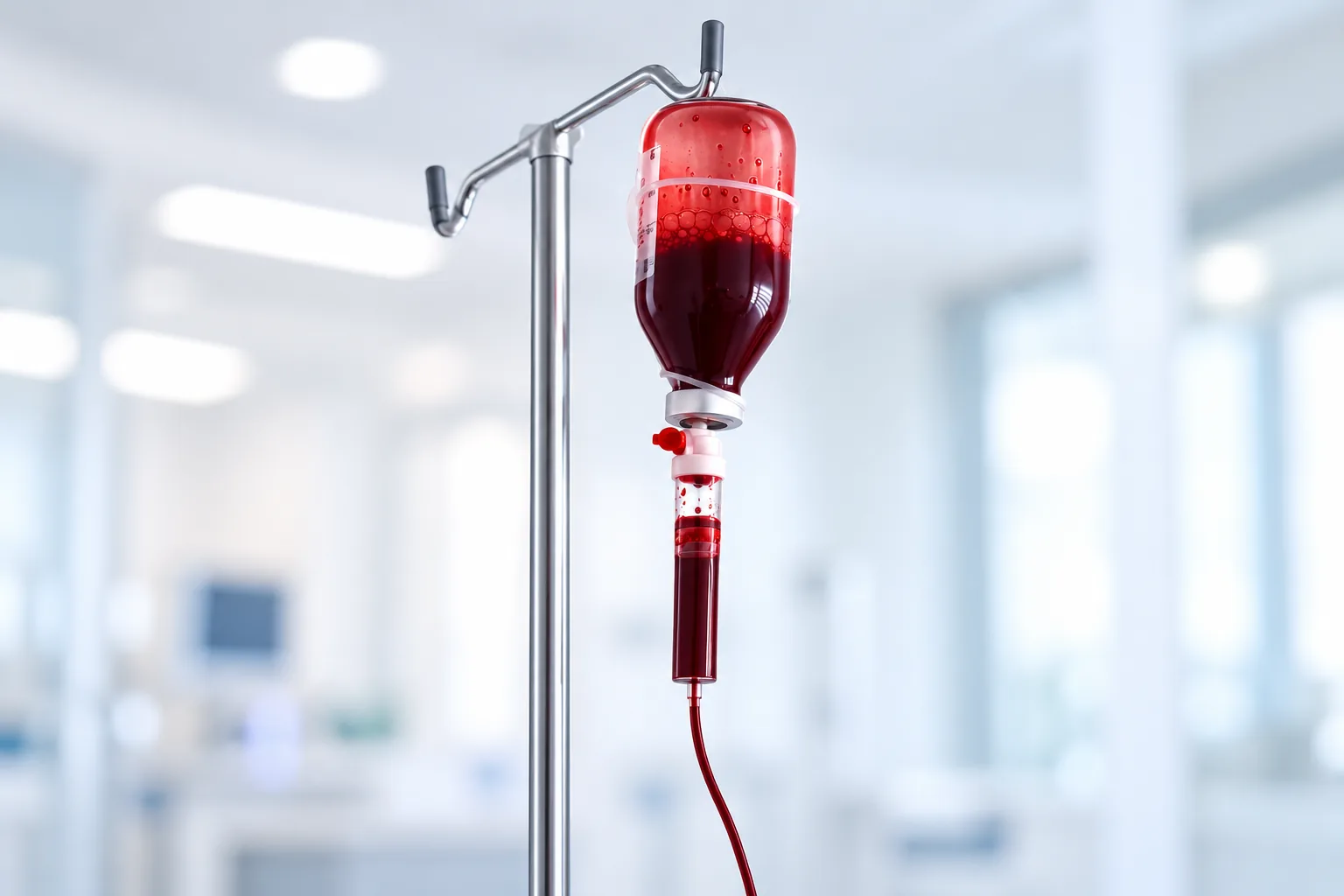
Major ozone (major autohaemotherapy) means that a set amount of blood is taken from your arm, mixed with a measured dose of ozone in a sterile, closed system and returned through the same vein. Ozone gas is never given directly into a vein.
The blood is collected into a special single-use bottle or bag containing an anticoagulant solution. The mixture is added from the ozone generator at the concentration set by the doctor, the blood is gently mixed and then returned drop by drop. Including preparation, a session usually takes 20–30 minutes.
- Minor autohaemotherapy: a smaller amount of blood is mixed with ozone and injected into a muscle.
- Rectal application: the mixture is given through the back passage with a thin catheter; no needle is needed.
Giving ozone gas directly into a vein has been linked to serious risks such as gas embolism and is not recommended. Major treatment is therefore only carried out by mixing the blood with ozone outside the body, in a closed system.
Is ozone therapy painful and how long does a session take?
Ozone therapy is usually not painful. With the major method you only feel the needle when the cannula is inserted; including preparation, a session usually takes 20–30 minutes, while local treatments are shorter.
With local injections into a joint or muscle, there may be a brief feeling of fullness, pressure or burning as the gas spreads into the tissue; this usually eases within minutes. Rectal application may cause temporary bloating and a feeling of wind.
Treatment is given as an outpatient, no anaesthesia is needed and most people return to their daily activities the same day.
Benefits and scientific evidence
What is ozone therapy for and what are its benefits?
Ozone therapy has been studied in some pain conditions and in wound care and is considered a supportive option in certain areas. Its benefit varies with the method and the condition; in many areas of use the evidence is still limited or of low quality.
Laboratory studies have shown that ozone can affect antioxidant enzymes, circulation and immune cells. However, an effect seen in the laboratory does not mean it brings a clear and lasting benefit to patients. Many clinical studies are small, short-term and methodologically limited.
- Knee osteoarthritis pain: in a meta-analysis pooling five randomised trials (428 patients), intra-articular ozone gave similar results to the comparison injections in the first month; at 3–6 months and beyond, hyaluronic acid or dextrose injections were found to be better. In the single study comparing it with placebo, ozone was superior for pain for up to 4 months.
- Diabetic foot ulcers: a Cochrane review (3 trials, 212 patients) reported a reduction in wound area with ozone but stated that the evidence was of low quality and that no firm conclusion could be drawn about effectiveness.
- Pain from lumbar and cervical disc herniation: ozone injection into or around the disc is being studied; results vary from study to study, and these are image-guided procedures requiring advanced specialist expertise.
The US Food and Drug Administration (FDA) defines ozone as a toxic gas with no proven medical use; in Turkey, by contrast, the Ministry of Health regulates ozone as a GETAT method that certified doctors may perform. Taken together, these two approaches show that ozone is not a “cure-all” and is a supportive method considered in selected cases on the doctor’s decision.
Which conditions is ozone therapy used for?
Ozone is most often considered as a supportive option for musculoskeletal pain (knee osteoarthritis, lower back and neck pain), slow-healing wounds and circulation problems. Diagnosis and standard treatment of the underlying condition always come first.
The Ministry of Health’s information on ozone lists pain treatment, wound healing, infections, regulation of the immune system and circulation problems in which oxygen delivery to tissues is impaired among its areas of use. The strength of the evidence differs in each of these areas.
| Area | State of the evidence | Our approach |
|---|---|---|
| Knee osteoarthritis pain | Randomised trials exist; short-term benefit, other injections better in the long term | In selected patients after examination and imaging |
| Lumbar and cervical disc herniation pain | Studies exist; results are variable | Assessed together with the relevant specialty in suitable patients |
| Slow-healing wounds, diabetic foot | Low-quality evidence | Alongside standard wound care and blood sugar control, not instead of them |
| Fatigue, “immunity”, “detox” | No strong clinical evidence | Possible causes are investigated first; no promise of results is made |
| Cancer | No survival benefit has been shown | Not used in place of cancer treatment |
Ozone is not used in place of standard treatment for cancer, cardiovascular disease, diabetes or infections. Do not stop the medicines you take on your own because of ozone therapy.
Does ozone therapy strengthen the immune system?
Laboratory and animal studies have shown that ozone can affect immune cells and cytokine release; however, it has not been proven in well-designed clinical trials that it strengthens immunity or prevents infections in healthy people.
For this reason, ozone should not be thought of as an “immunity jab” or as a course that replaces the flu vaccine. The best-evidenced ways to support immunity before winter are the recommended vaccinations, enough sleep, a balanced diet, regular physical activity and correcting deficiencies such as vitamin D. Ozone may be considered in addition to these basic measures after a doctor’s assessment.
For more details, see our article an immune boost before winter: what actually works?
Sessions, safety and suitability
How many sessions of ozone therapy are needed and when is the effect seen?
There is no fixed number of sessions for everyone. The number of sessions and the interval between them are set individually according to the goal, the method, the response and tolerance. Treatment is usually planned as a series spread over a few weeks, and the effect is mostly assessed after a few sessions.
During the series, measures such as pain, restricted movement, wound area or the presenting complaint are monitored. If the expected response is not achieved, the plan is reviewed rather than simply adding more sessions.
More sessions do not mean more benefit, and the need for a repeat series is not assumed automatically. It should also be borne in mind that the benefit seen in knee osteoarthritis studies can fade within a few months.
Does ozone therapy have side effects or risks?
When given at an appropriate dose, with sterile, closed systems, by a certified doctor, serious side effects are rare. The most common are tenderness at the treatment site, bruising, temporary dizziness, tiredness and headache.
- Common and temporary: pain and bruising at the needle site; tiredness, headache, nausea; bloating and abdominal discomfort with rectal application.
- Rare but serious: severe complications have been reported, such as gas embolism from gas given directly into a vein, infection at the injection site and stroke after injections around the spine.
- Breathing: inhaling ozone gas irritates the lungs; treatment is therefore only given with closed systems that do not leak gas.
If you develop shortness of breath, chest pain, fainting, difficulty speaking or seeing, or sudden weakness in an arm or leg after treatment, call 112 or go to an emergency department without delay.
Who should not have ozone therapy and who is it risky for?
Ozone therapy is not given, or is postponed, in people with G6PD enzyme deficiency (favism), pregnant women, people with uncontrolled hyperthyroidism or high blood pressure, people with a bleeding disorder and people who have recently had a heart attack or a brain haemorrhage.
- G6PD deficiency (favism): red blood cells are sensitive to oxidative stress; treatments involving the blood in particular are not suitable.
- Pregnancy: not recommended because there are not enough safety data; breastfeeding is assessed separately.
- Uncontrolled hyperthyroidism and high blood pressure: the condition must be brought under control first.
- Bleeding disorders and blood thinners: clotting status and the medicines you take are assessed beforehand.
- Recent heart attack, stroke or brain haemorrhage: standard treatment and follow-up take priority.
- Hypersensitivity to ozone: tell us if you have had problems with ozone before.
For this reason, before the first session a detailed medical history is taken, you are asked about all the medicines and supplements you take and, if needed, tests such as G6PD and a blood count are requested.
Treatment and fees in Ataşehir
Where can I have ozone therapy in Ataşehir, Istanbul, and how much does it cost?
Op. Dr. Salim Balin has held a Ministry of Health-approved ozone therapy certificate since 2019 and personally performs ozone treatments at his practice at Metropol İstanbul, Block B, Floor 18, Ataşehir. The fee is set after the consultation, depending on the method and the number of sessions.
Wherever you have ozone therapy, it is advisable to ask whether the person giving it is a doctor with a Ministry of Health ozone certificate, whether the facility is authorised for GETAT, whether single-use sterile materials are used and what plan is followed if a complication occurs.
We do not publish fixed prices on our website; current fee information is given after the consultation. The practice is easy to reach from Asian-side districts such as Kadıköy, Üsküdar, Ümraniye, Maltepe and Çekmeköy. For appointments and initial information, call or WhatsApp +90 506 520 30 55; the practice is open Monday–Saturday 09:00–18:00. Address and directions
The clinic is in Atatürk Mahallesi, Ataşehir (Metropol İstanbul Block B), close to the Barbaros, İçerenköy, Küçükbakkalköy, Kayışdağı, Yenisahra and Ferhatpaşa neighbourhoods and to Kozyatağı, Bostancı, Göztepe and Erenköy in Kadıköy. Patients from Sancaktepe and Kartal are also welcome.
Related guides
Ozone therapy (ozonotherapy) – detailed guide ↗
Ozone therapy in Ataşehir: what it is, how it is given and who it is not suitable for ↗
An immune boost before winter: what actually works? ↗
Sources and further reading
Turkish Ministry of Health, Department of Traditional and Complementary Medicine (GETAT) · Information on ozone therapy ↗Turkish Ministry of Health · Regulation on Traditional and Complementary Medicine Practices (Official Gazette, 28.04.2026, issue 33237) ↗U.S. FDA · 21 CFR 801.415: Ozone (official definition regarding medical use) ↗Liu J. et al. Ozone therapy for treating foot ulcers in people with diabetes. Cochrane Database Syst Rev, 2015 ↗Raeissadat SA. et al. Intra-articular ozone injection in knee osteoarthritis: systematic review and meta-analysis. J Pain Res, 2018 ↗CAM-Cancer · Ozone therapy: summary of evidence and safety (2025) ↗Updated: 21 October 2026 · Evidence summaries belong to the published sources; they are not a promise of individual results. Ozone therapy does not replace standard treatment. General patient information; individual treatment is planned in consultation. Results vary from person to person.
Ask me
Get in touch with your questions about Ozone therapy or to request an appointment.
💬 Ask me on WhatsApp — +90 506 520 30 55
✉️ Ask me by email — info@drsalimbalin.com
📍 We are at Metropol İstanbul Mall, in the best location in Ataşehir, Istanbul.
Metropol İstanbul Block B, Floor 18 · Ataşehir/Istanbul · Directions ↗